
I went on a trip recently that I thought I should write about.
I don’t write a travel blog. I wouldn’t be as good as my wife is at that. I call hers Instagram. She also writes Facebook (but only by invitation, sorry).
I write for whoever wants to read it.
So, what is it about Uganda?
It’s the people. It’s always the people.
It IS cool to see wild animals up close, no lie. (I took all of these pictures).
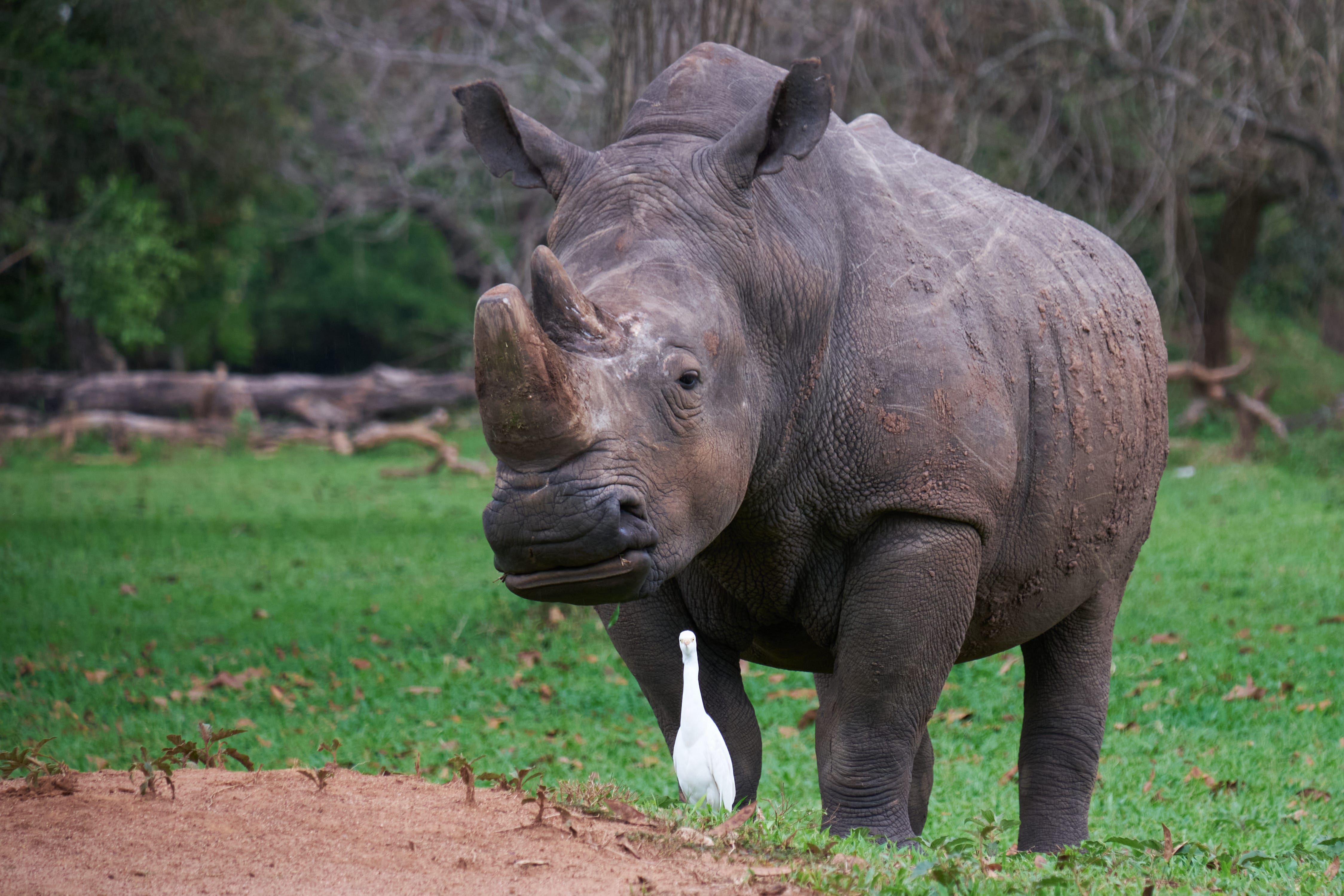
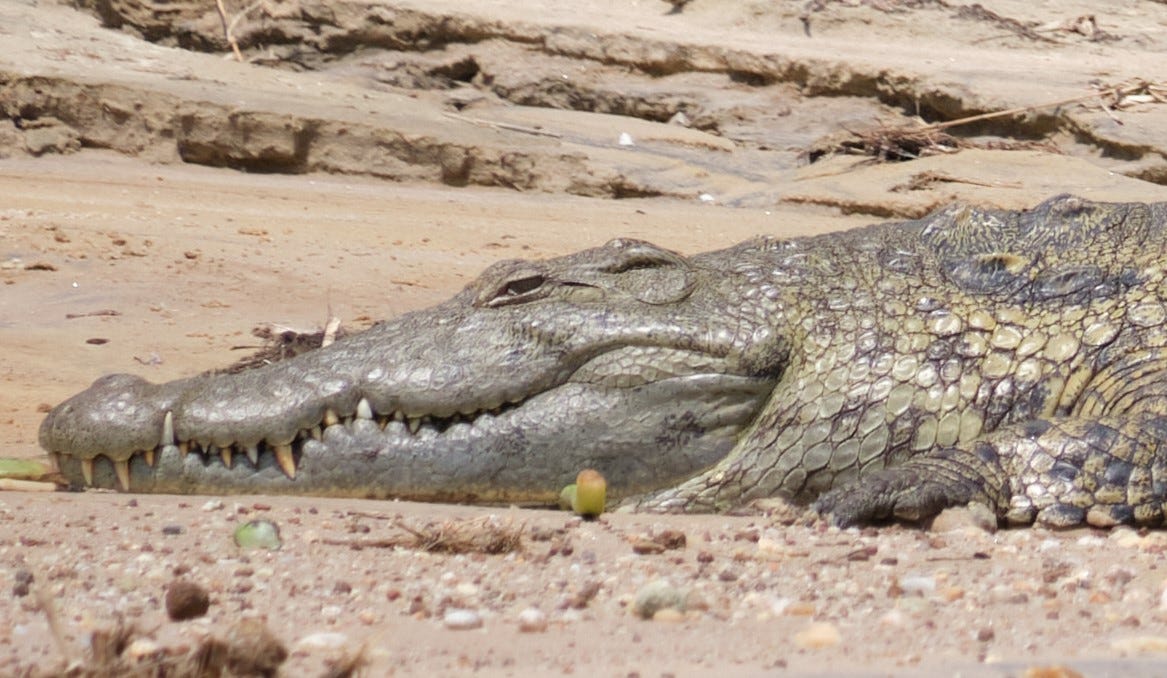
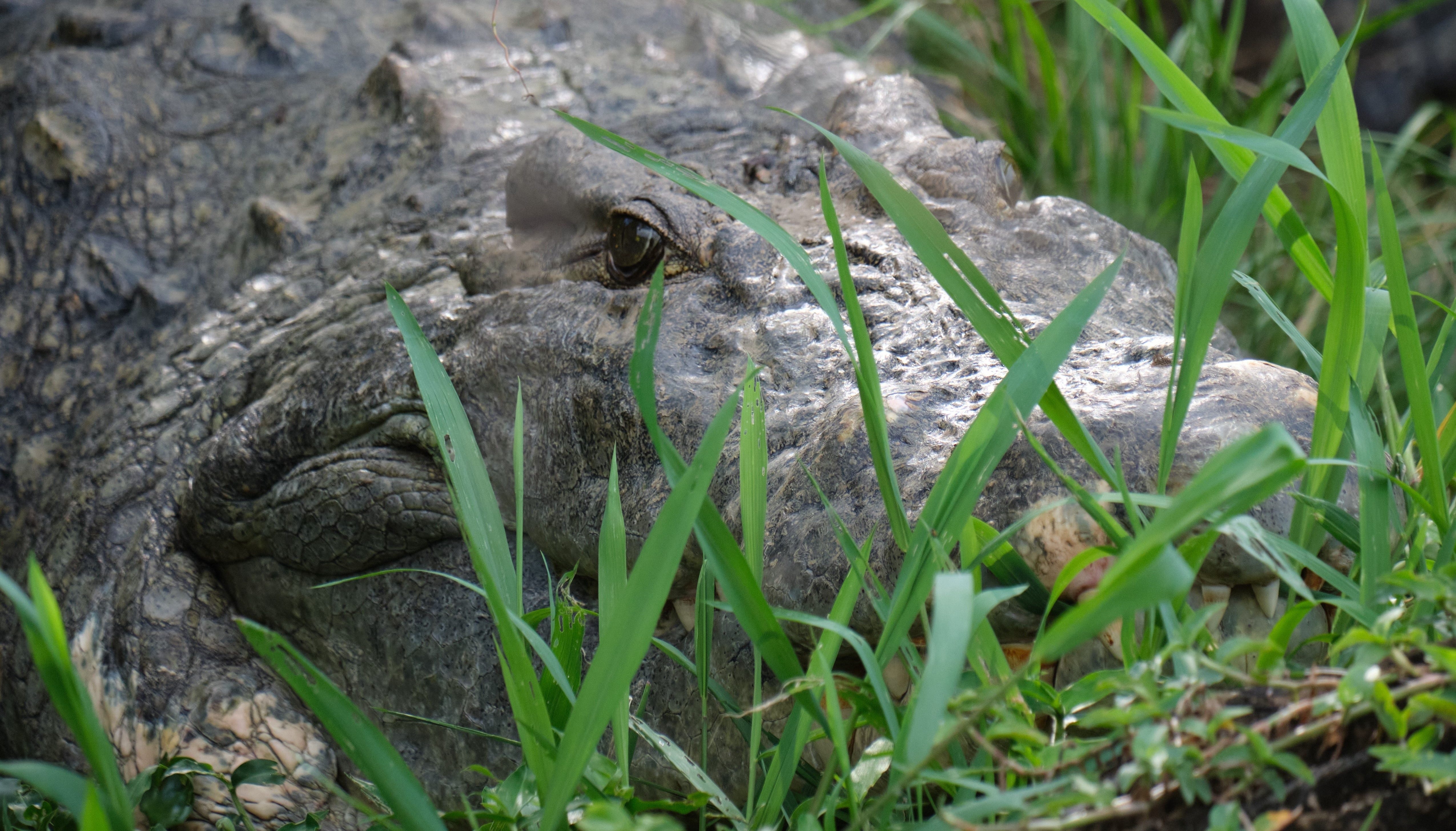
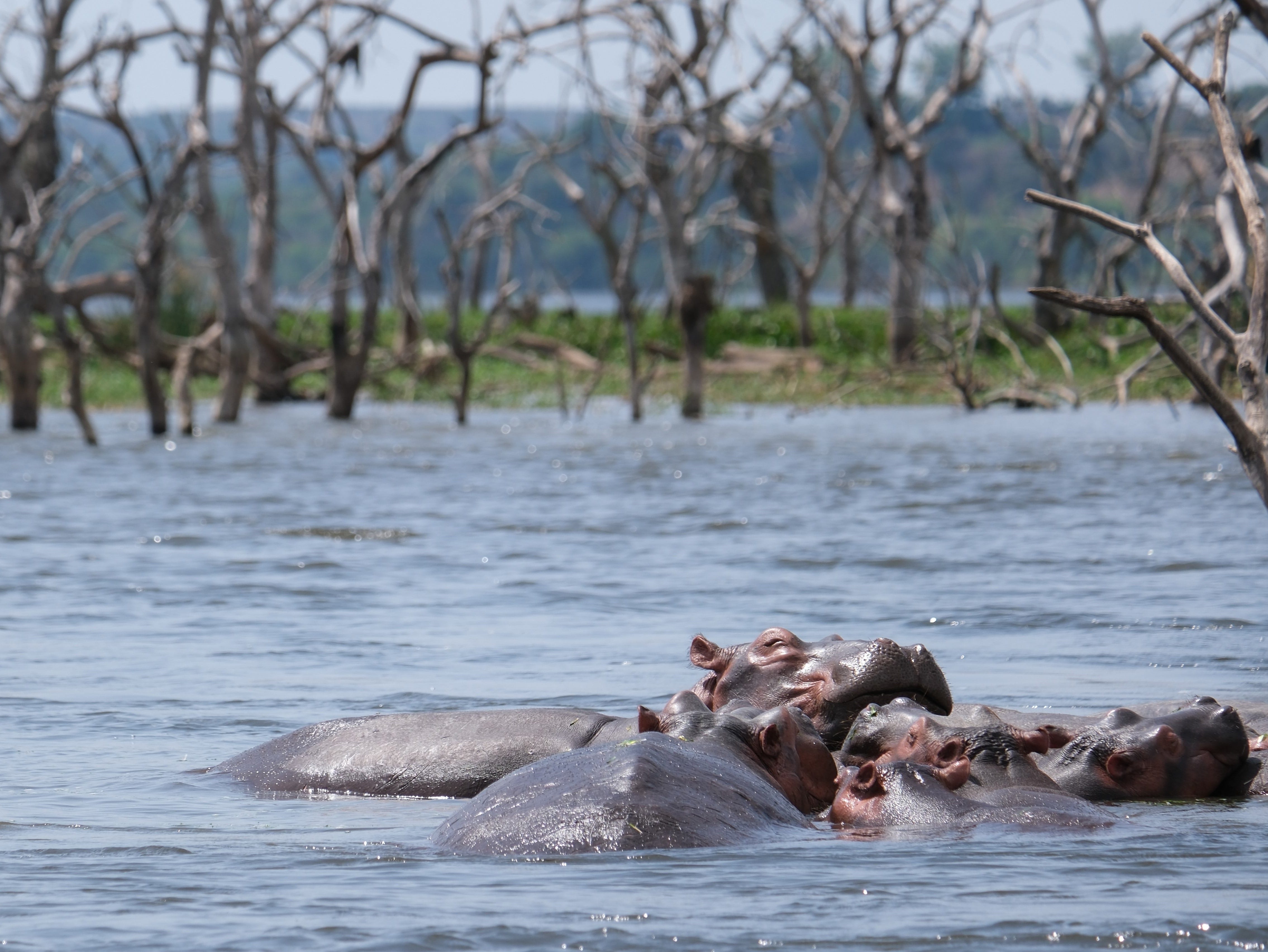
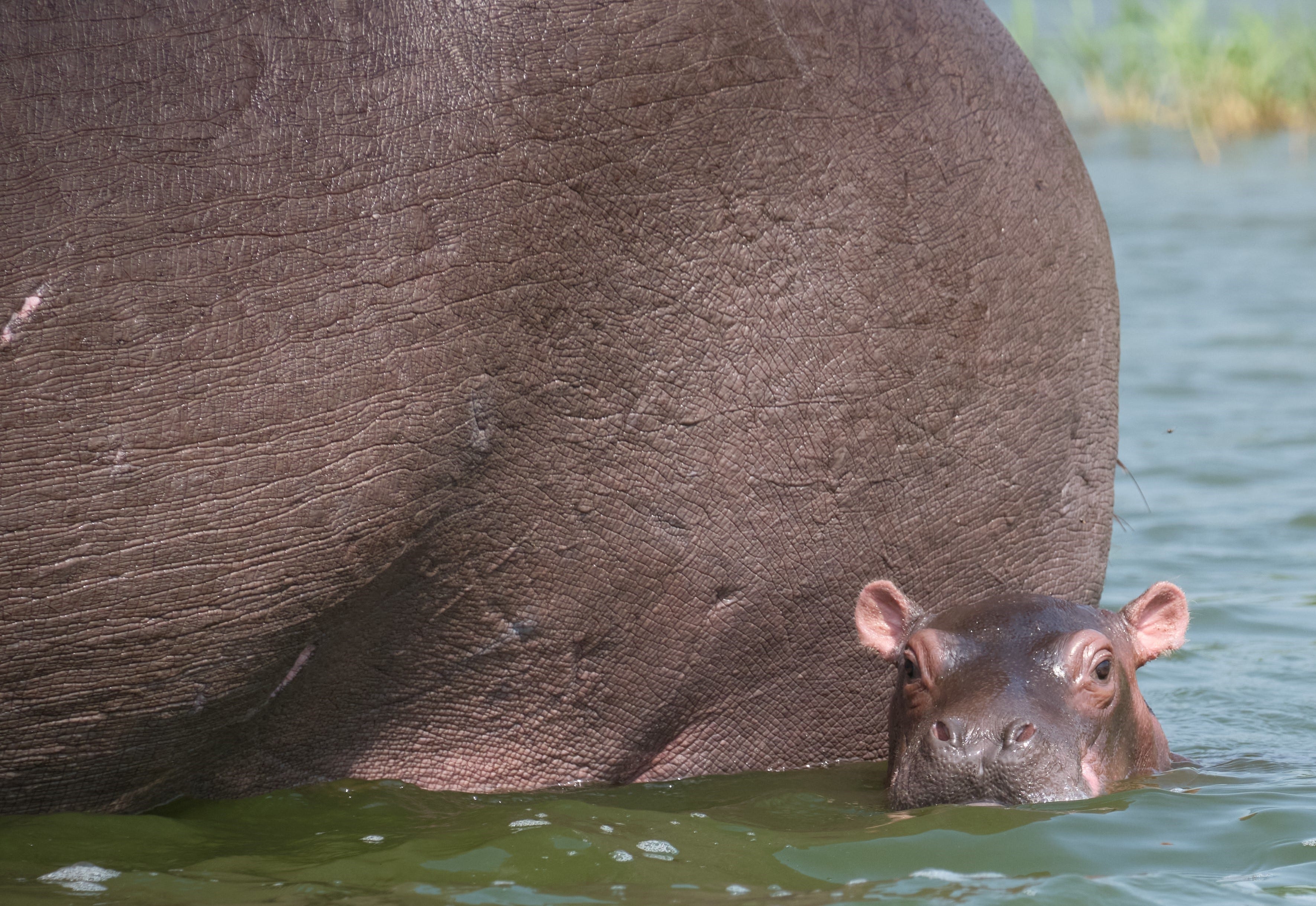
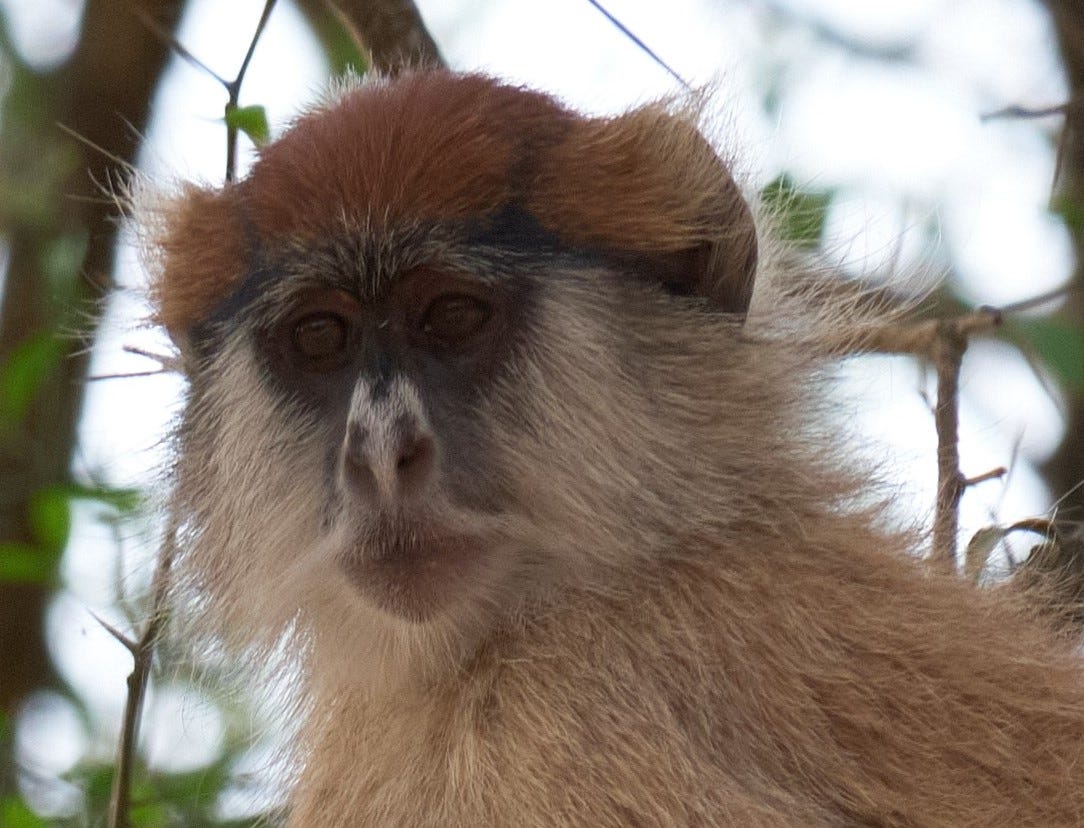
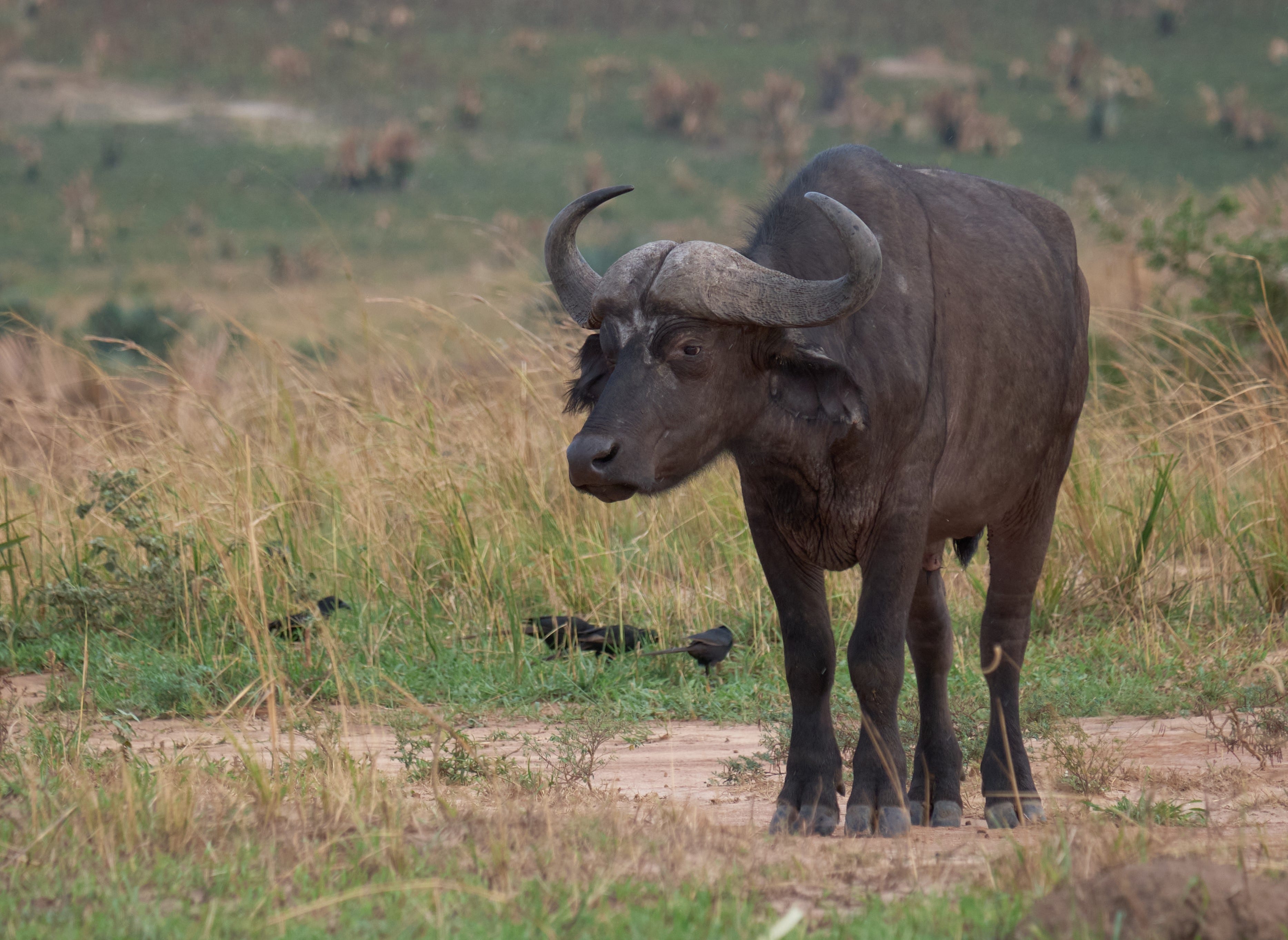
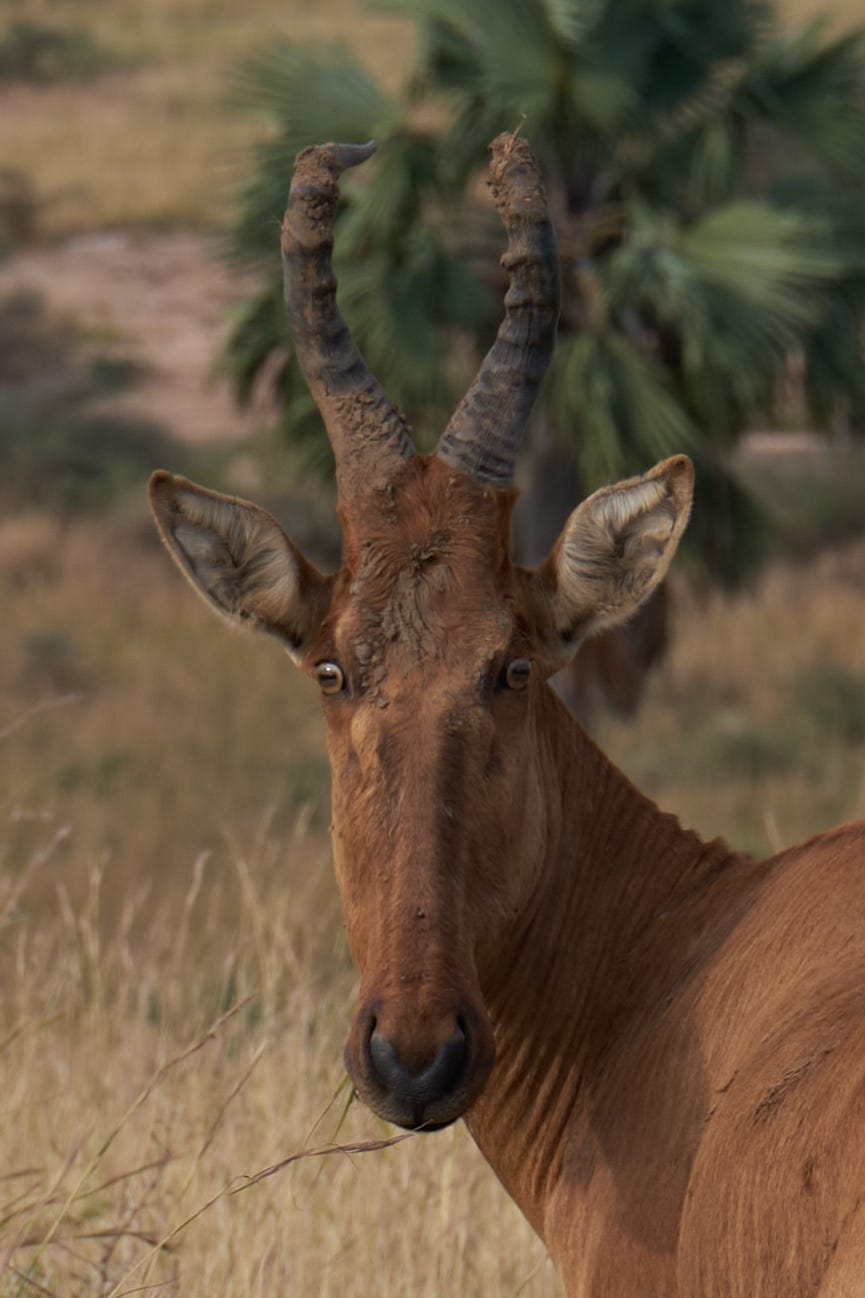
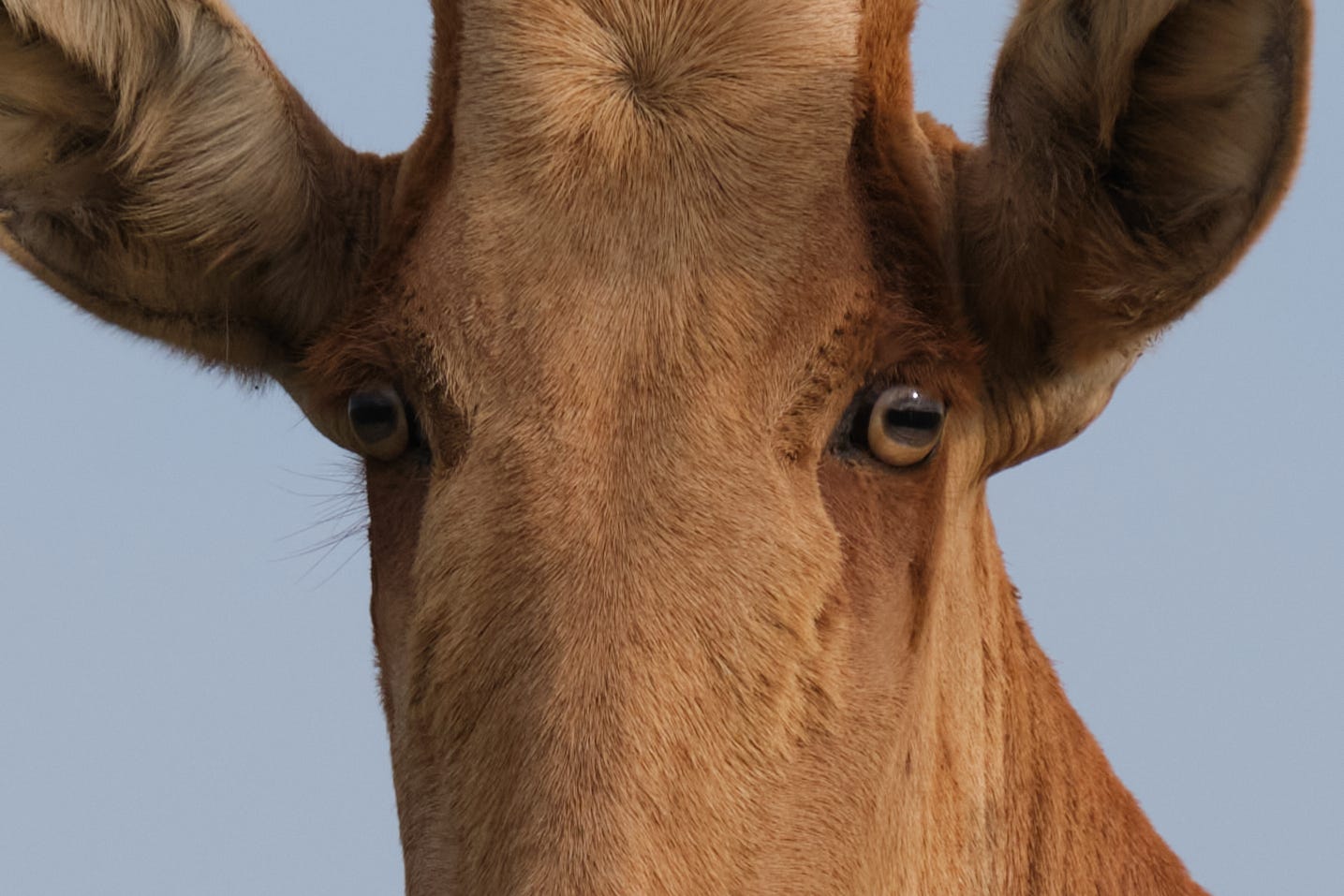
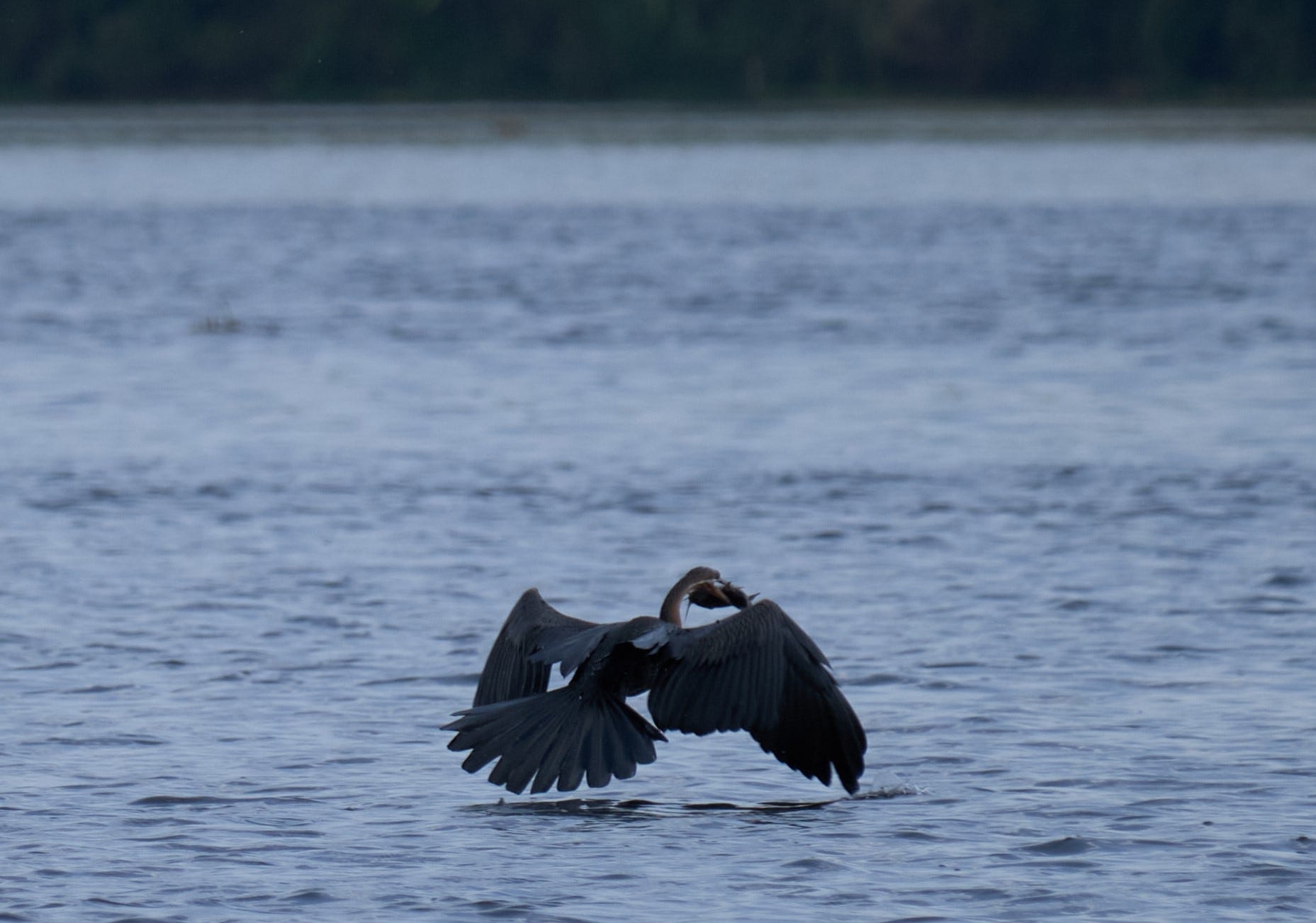
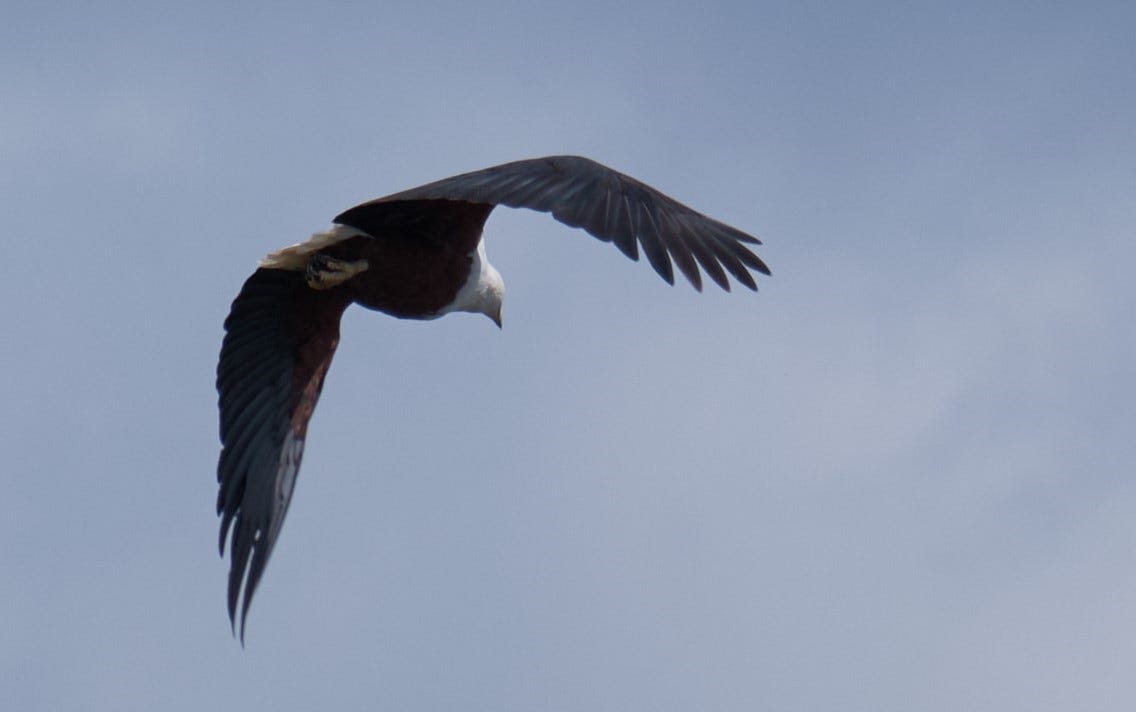
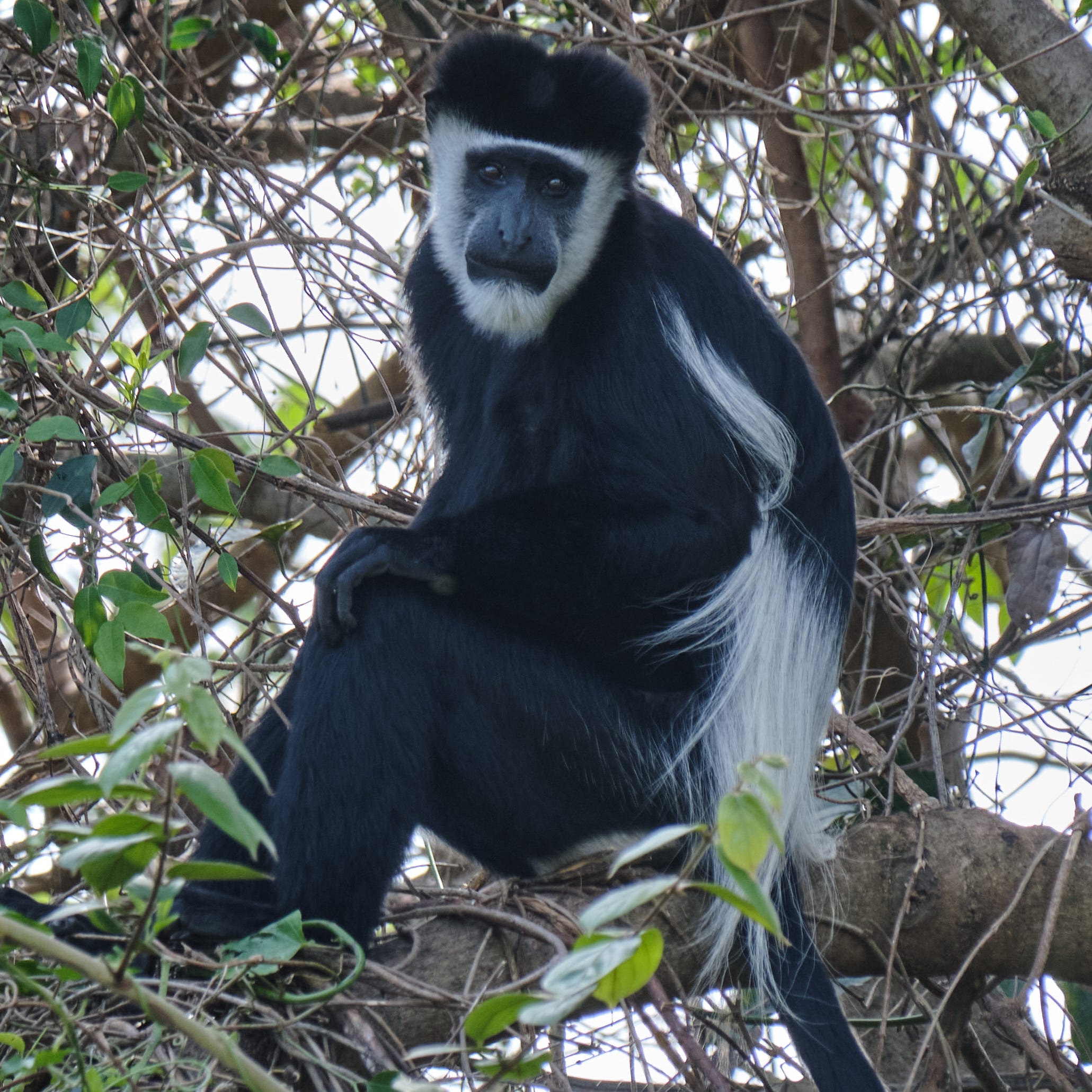
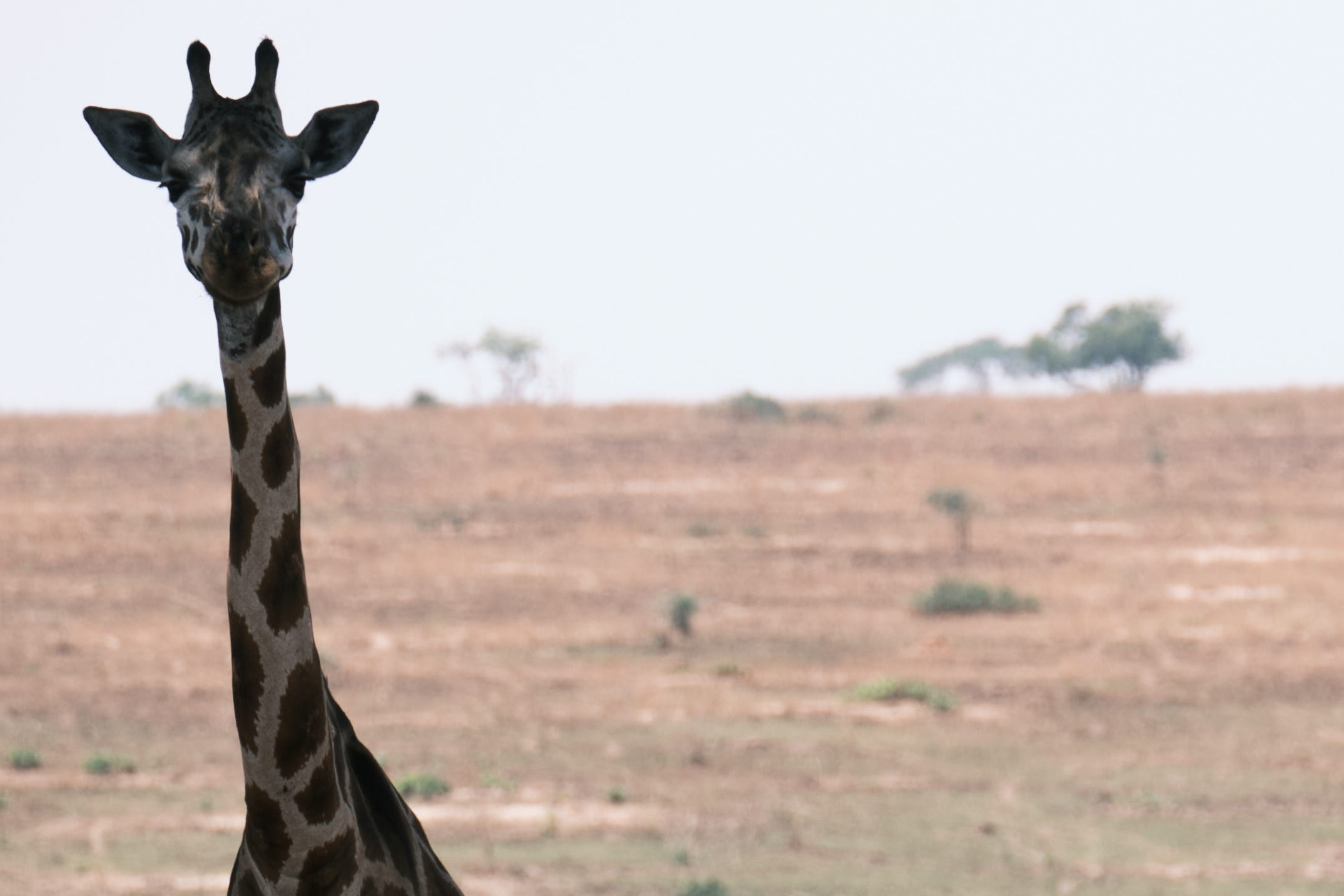
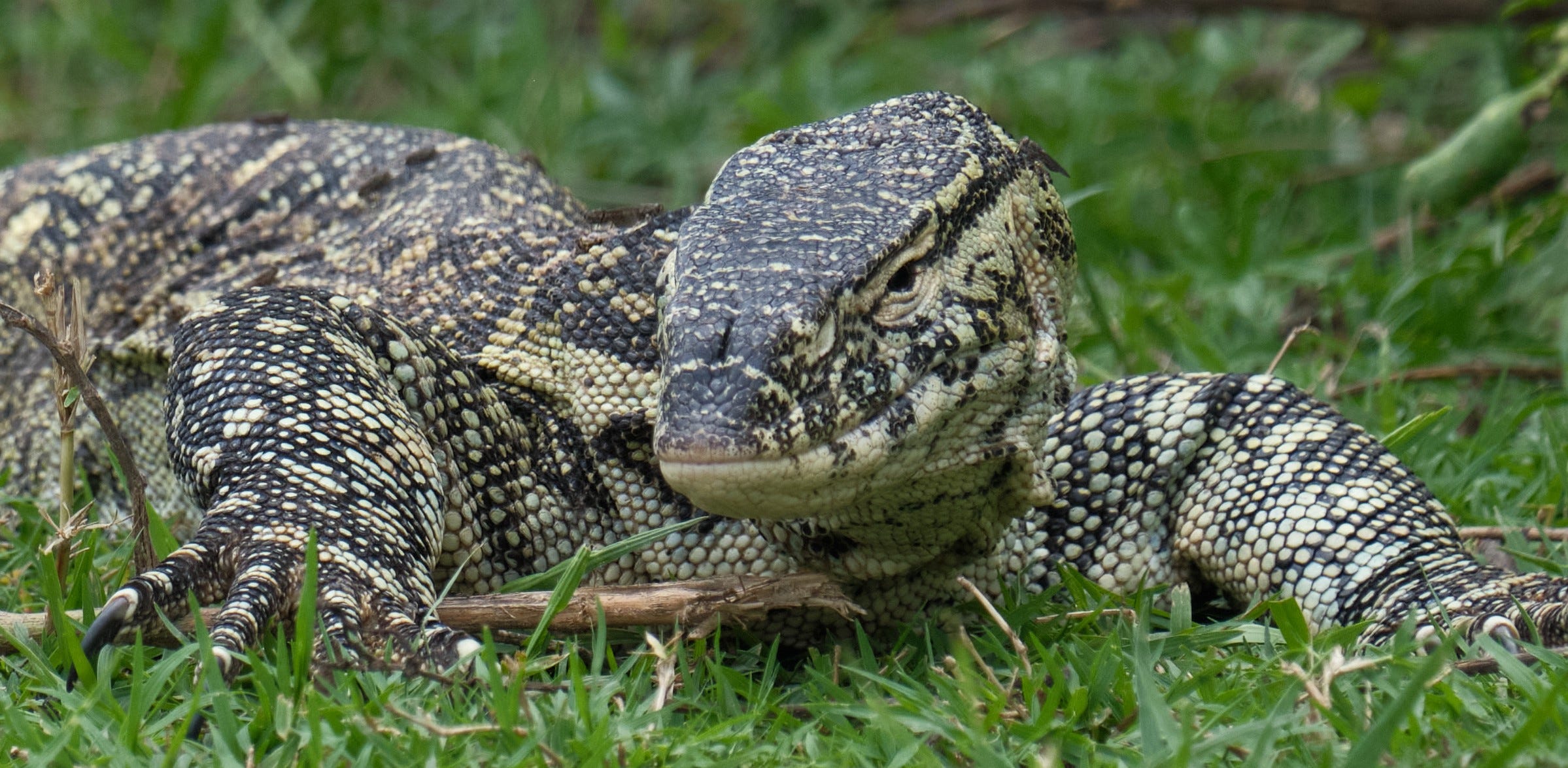
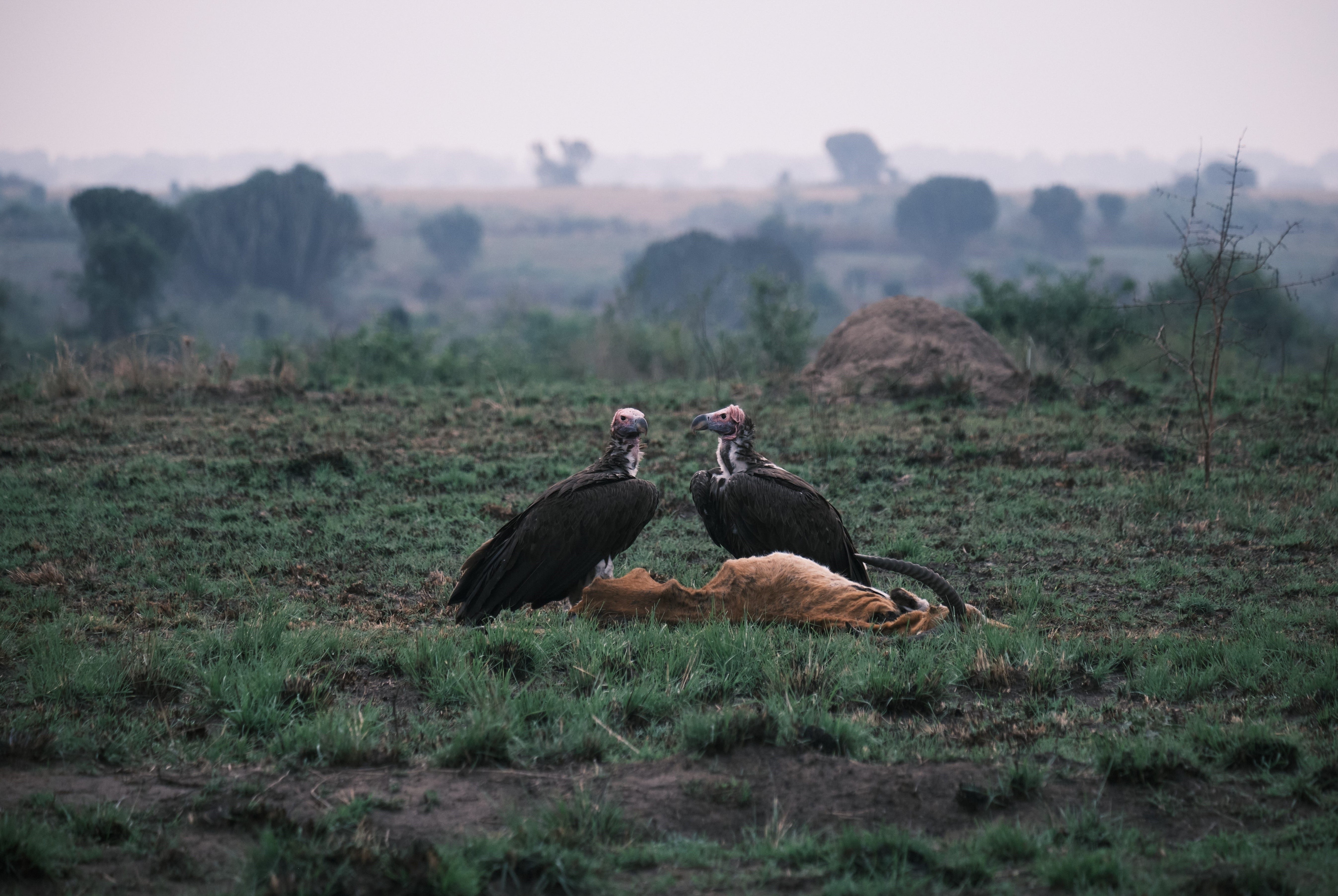
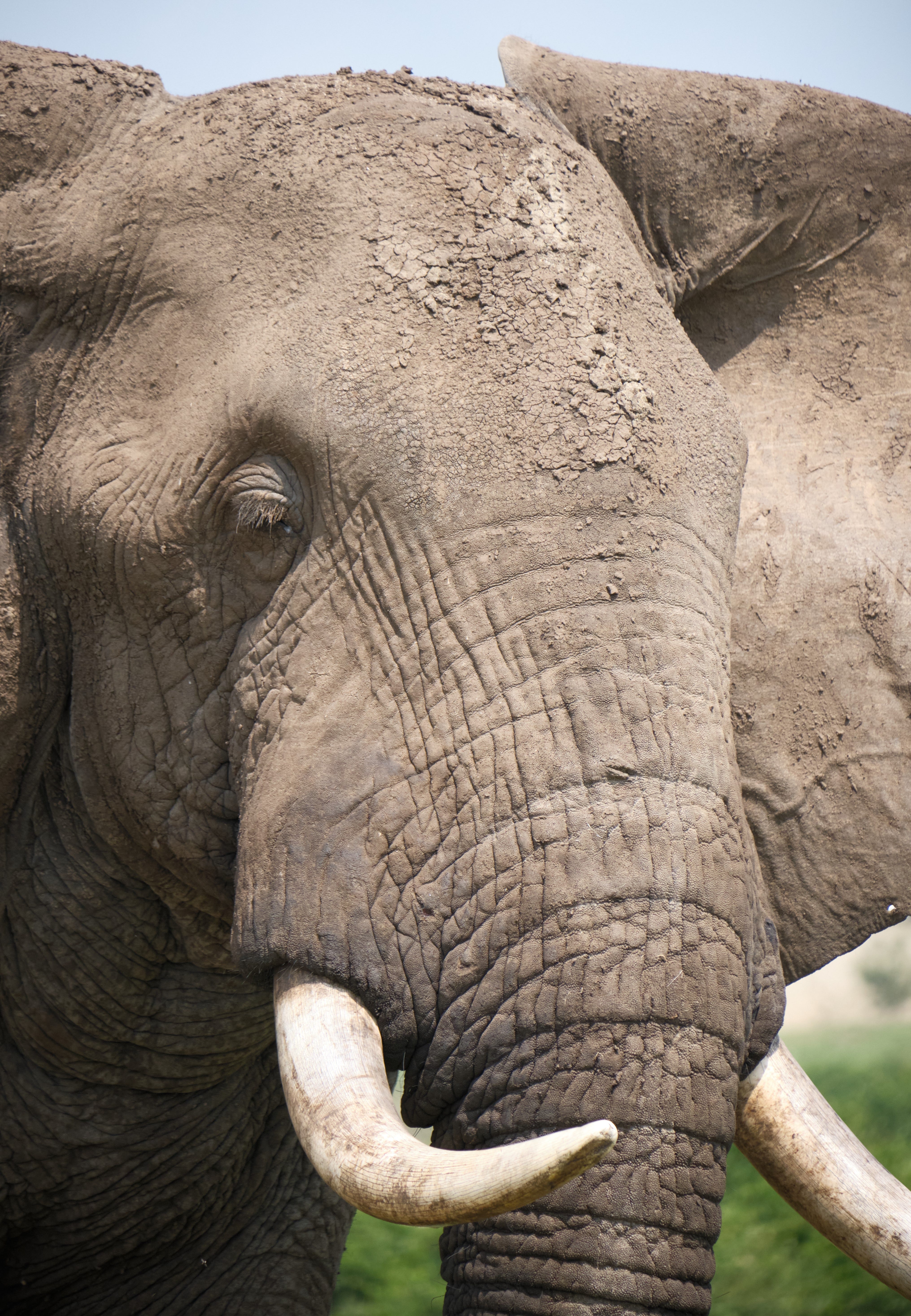
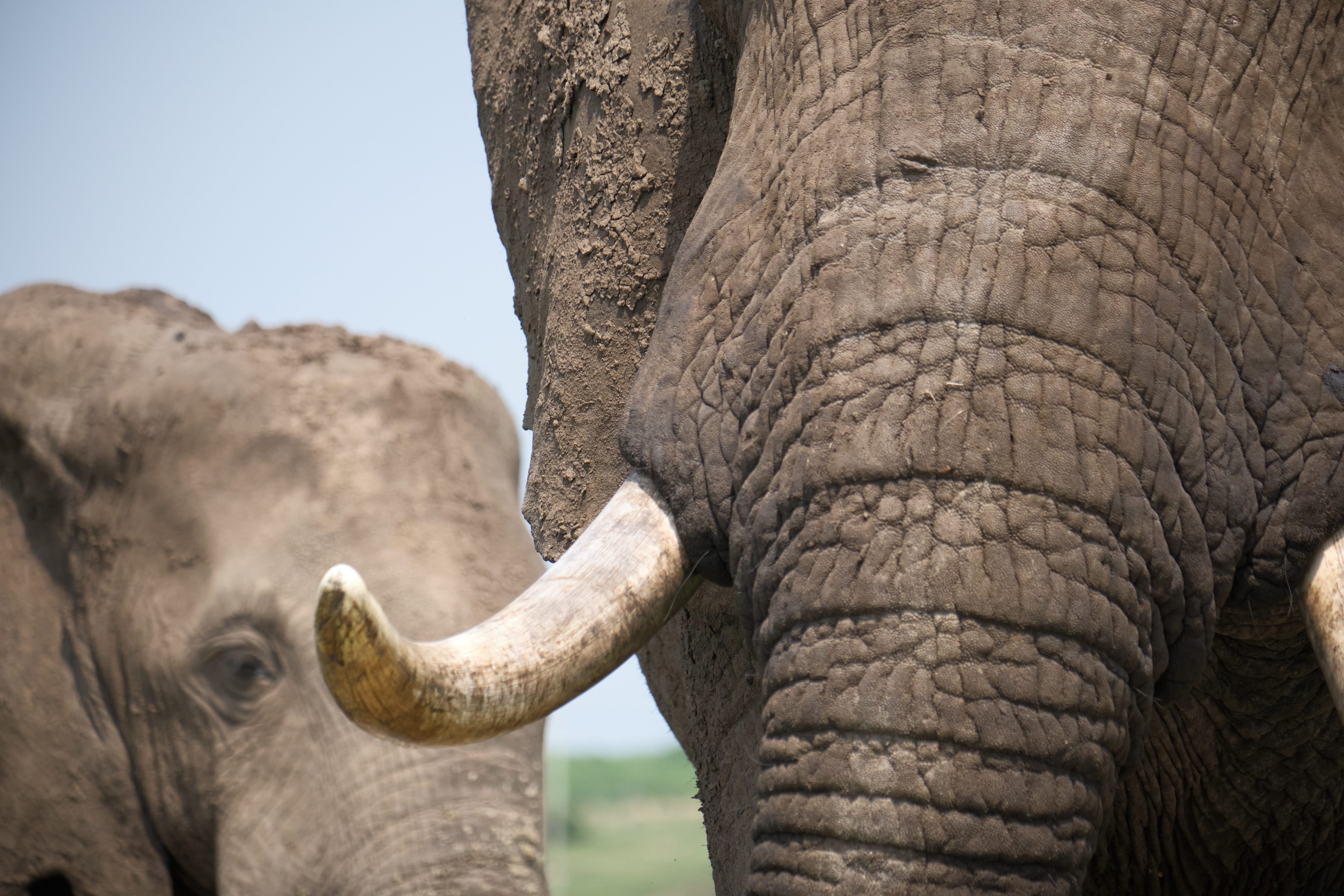
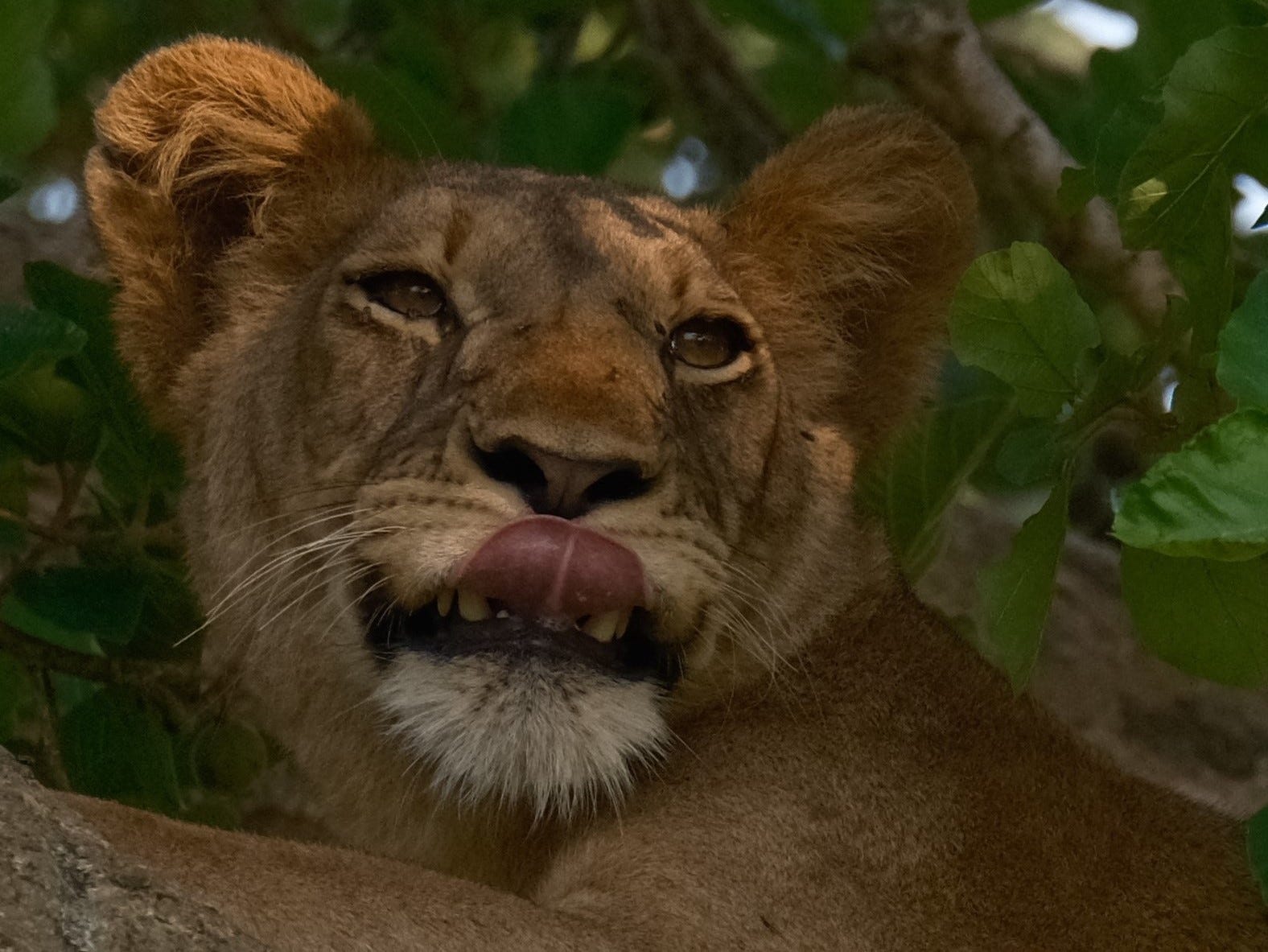
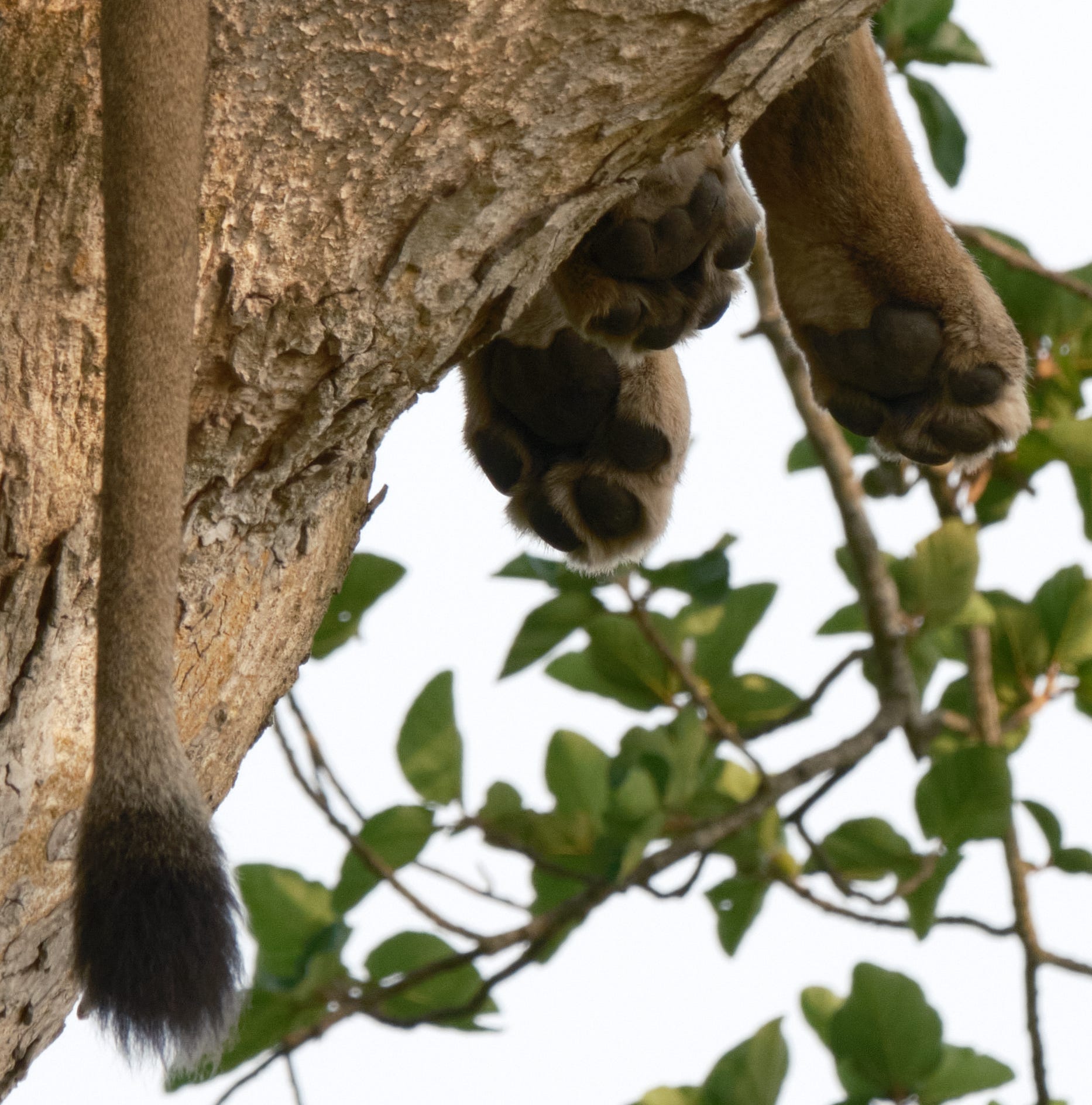
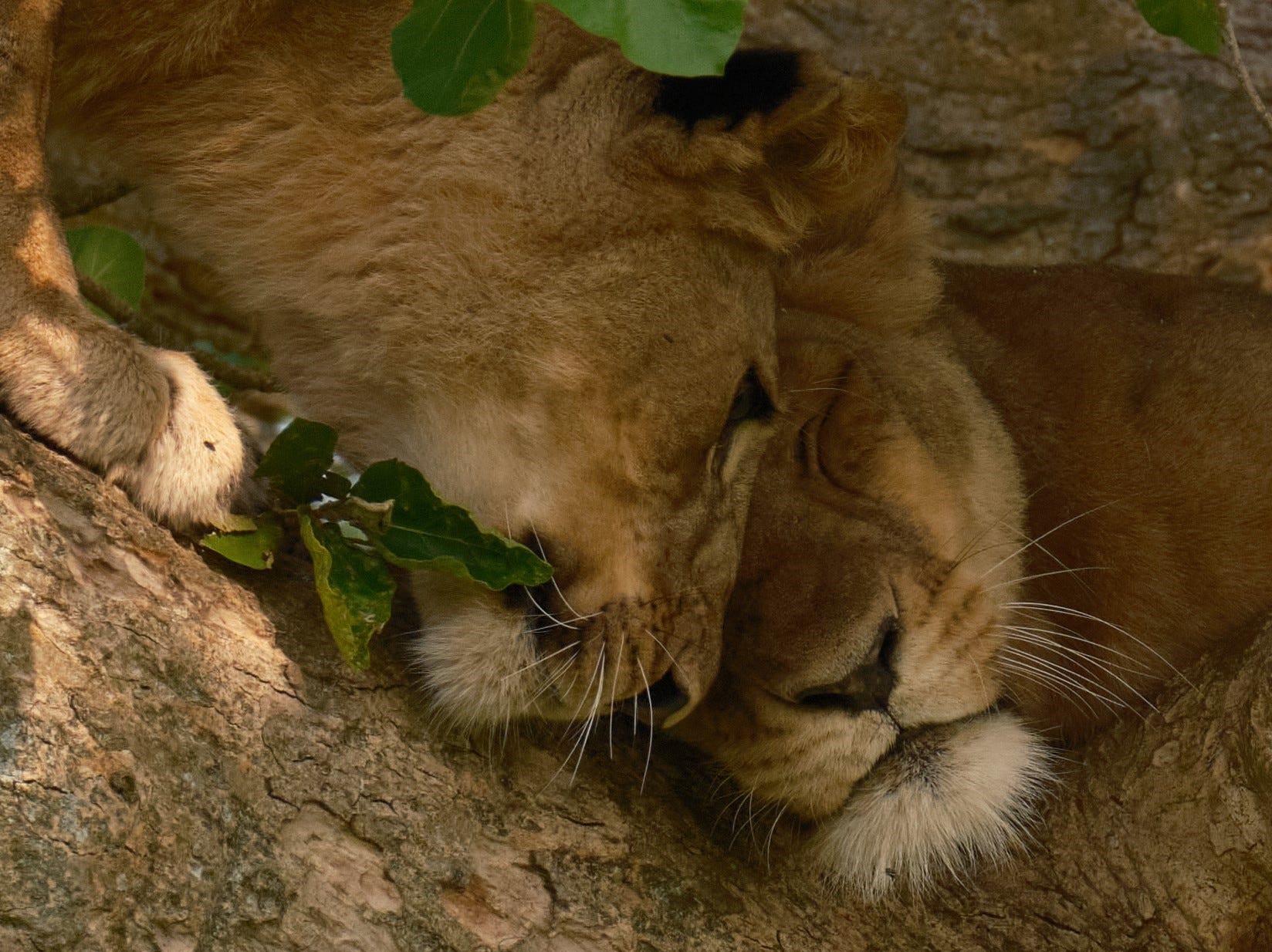
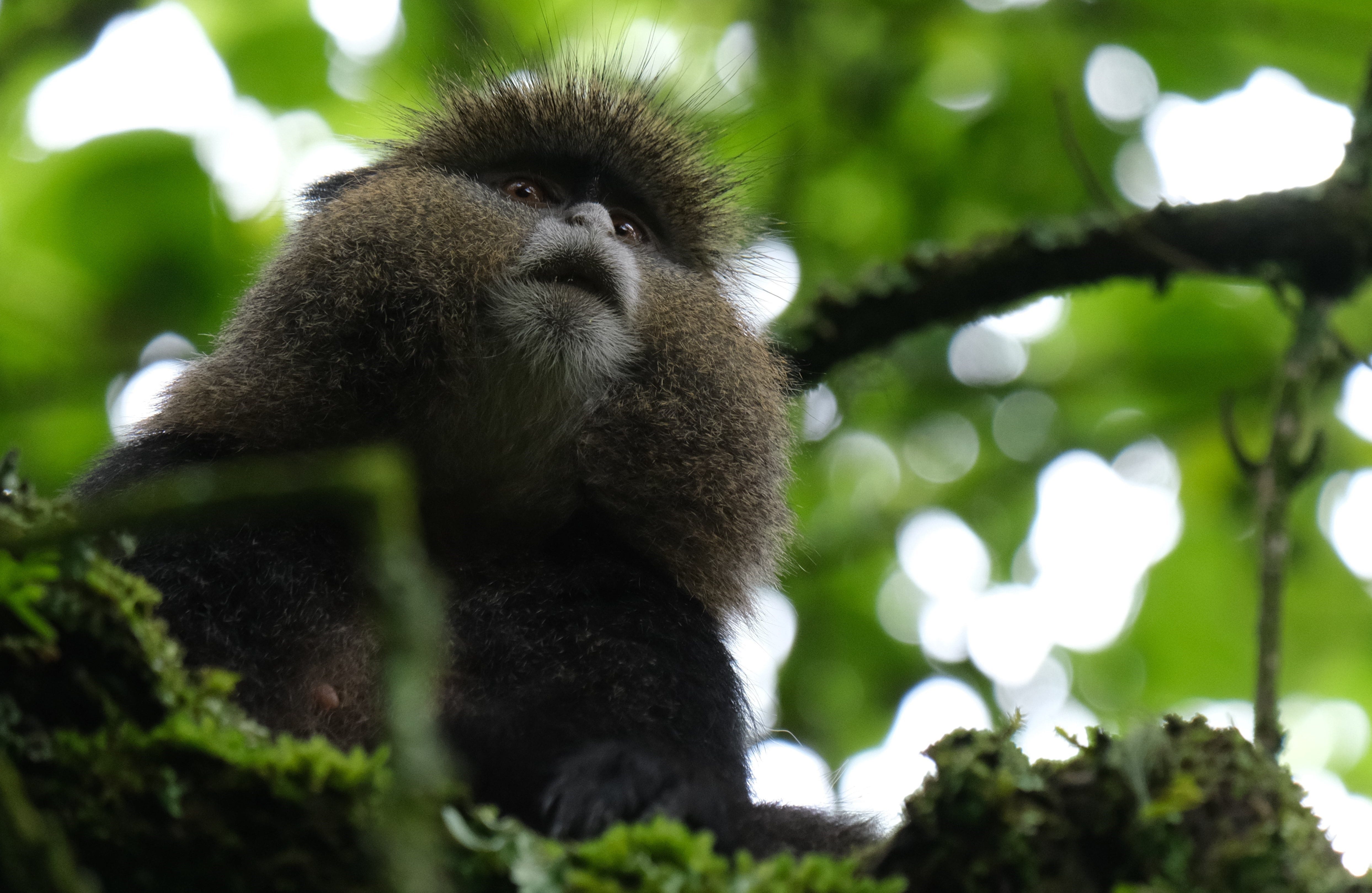
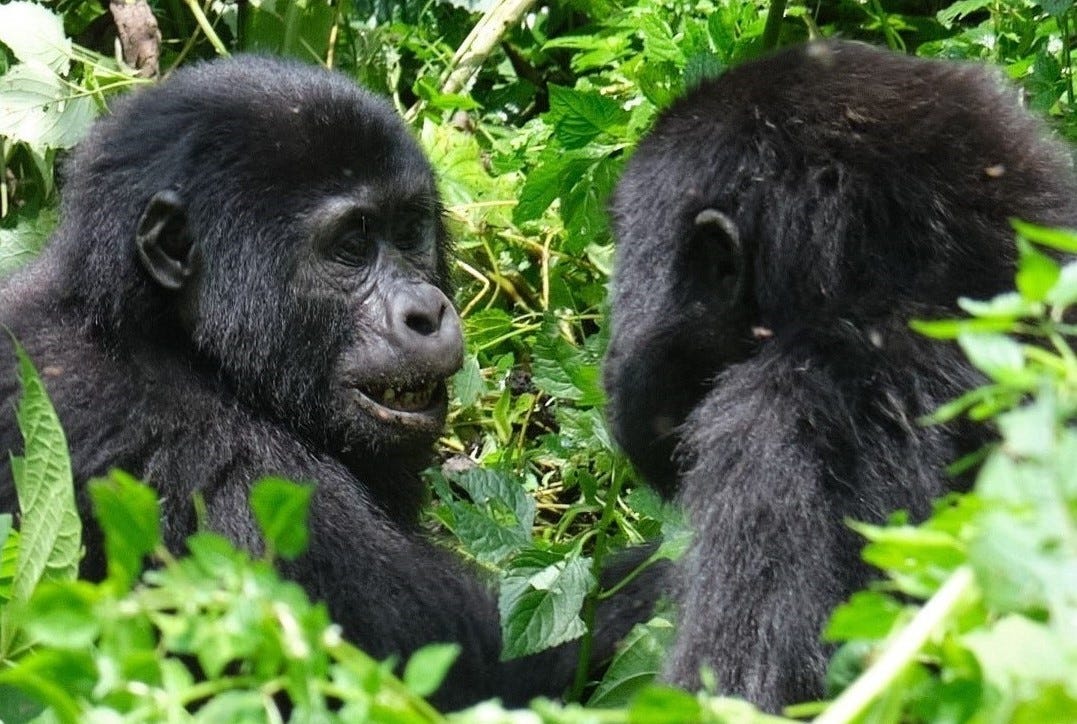
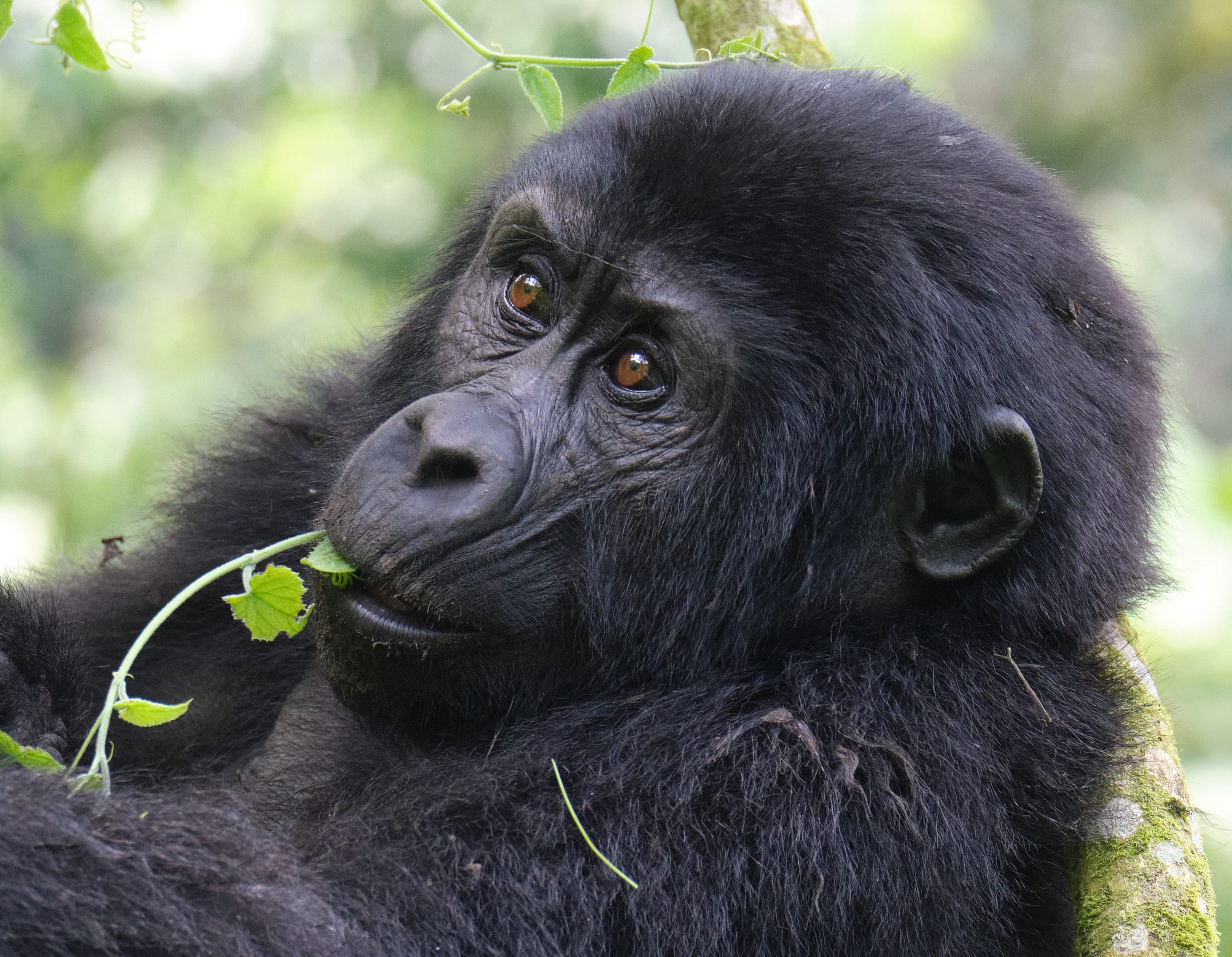
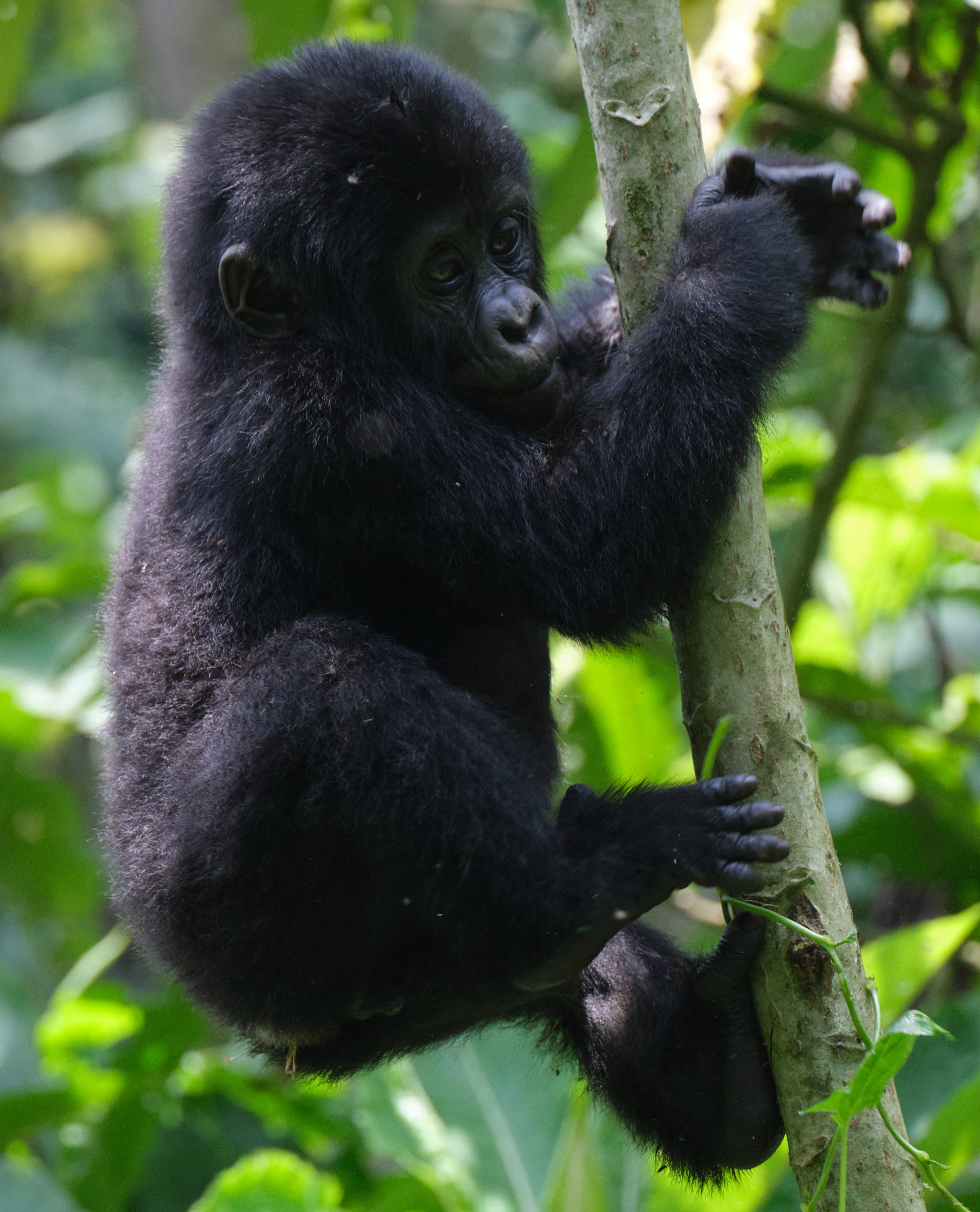
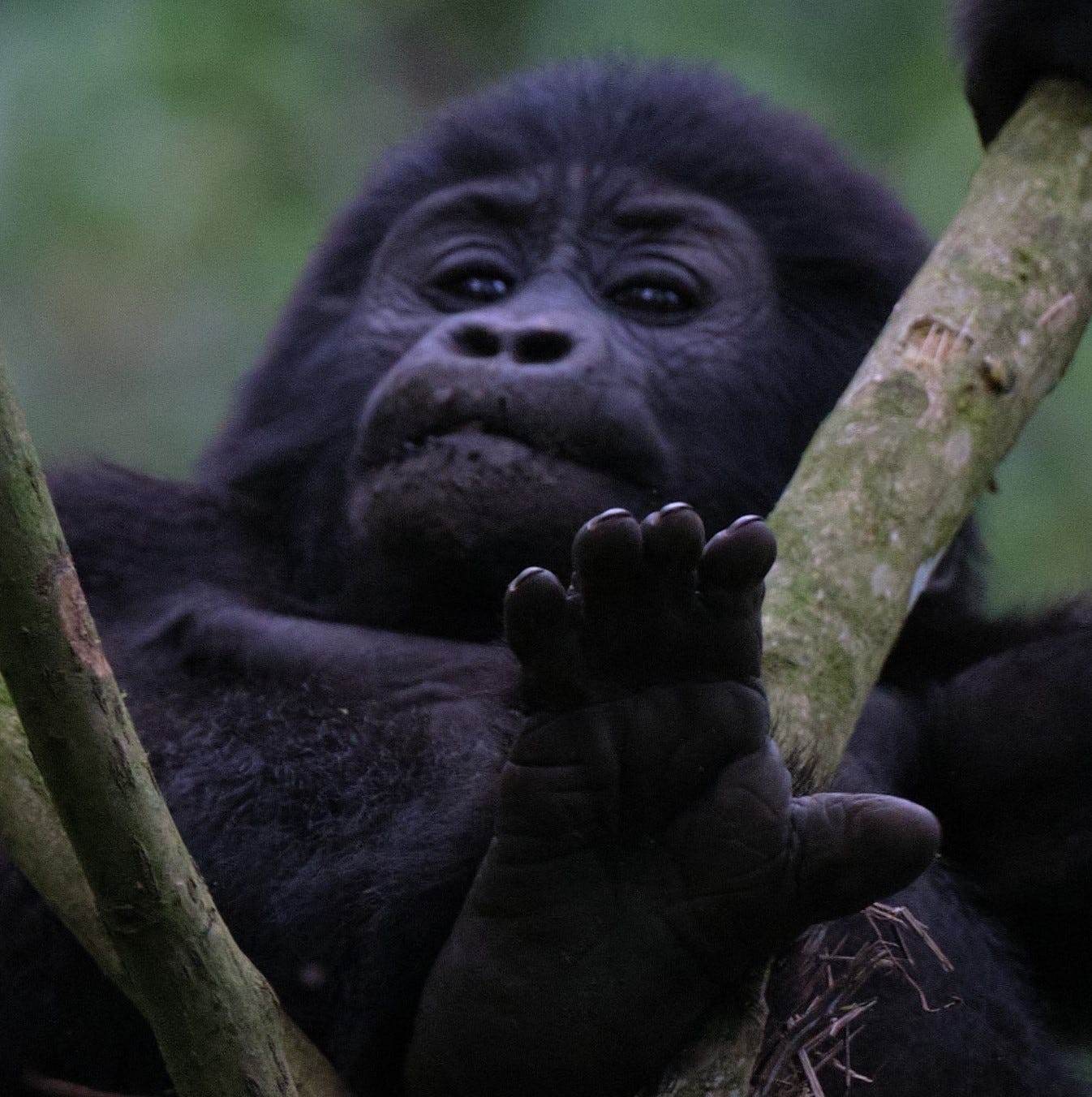
Ok, BUT. My favorite animals are the humans.
I know that sounds crazy. Human beings can be horrible.
Jane Goodall, speaking about Chimpanzees, our closest relative, sharing as much as 99% of our DNA, said that despite her lifelong work with these primates, they were not her favorite animal, because they are too much like humans.
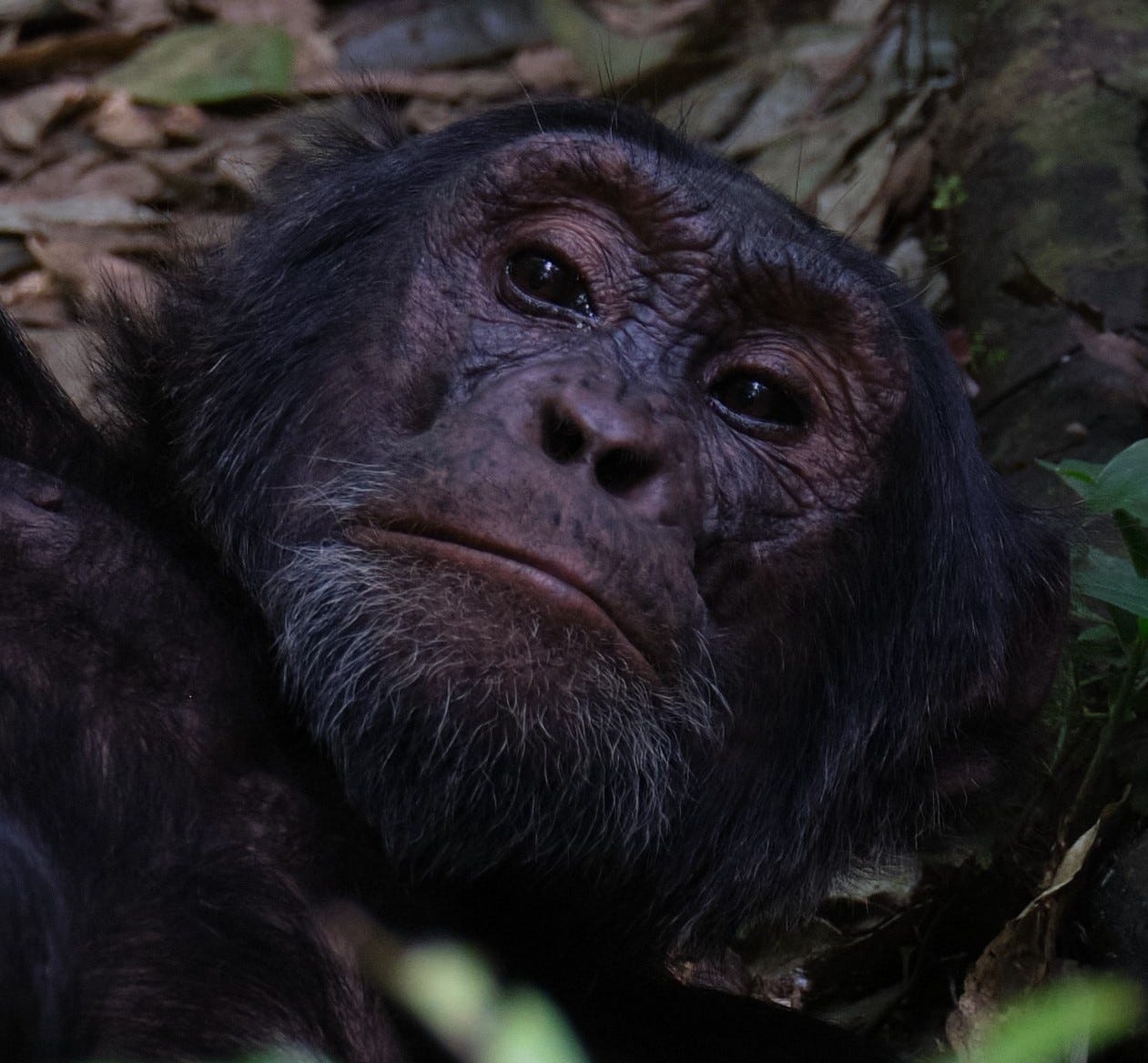
But look past the bullies, if you will allow me to generalize, and it is amazing how much we all have in common, despite how differently we may live.
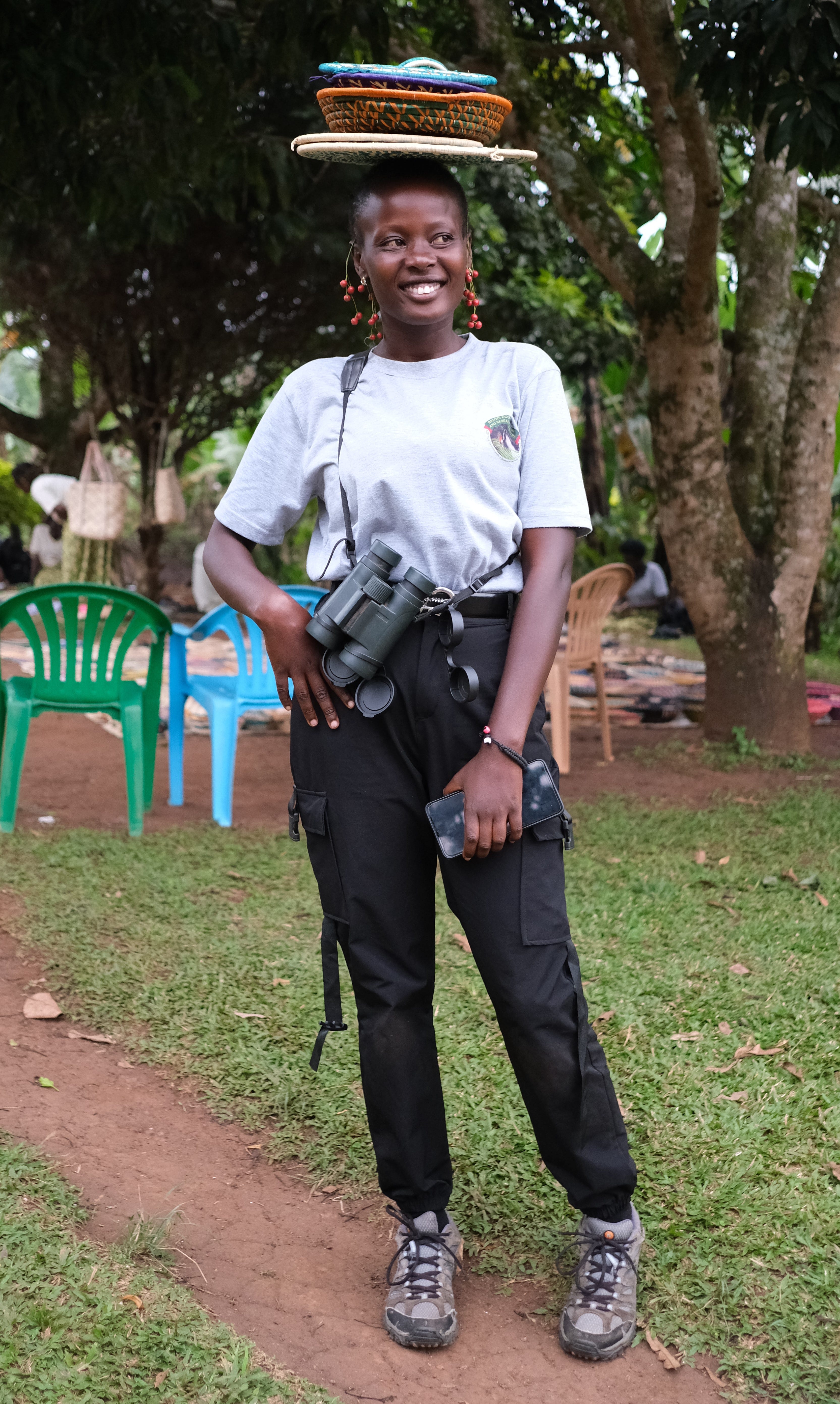
One of my favorite trips, I often tell people, was to Ukraine, not necessarily because it’s the best place of all, but because of the experience I had there. We visited our daughter, who was serving in the Peace Corps, and we got to celebrate New Years with her host family in a small rural town in central Ukraine, far from any other tourists.
We didn’t speak the same language, but the more we drank Vodka the more we understood each other.
In Uganda it was the banana gin (aka moonshine) that had me talking Lugandan.
“Wasazu Otya,” – means good morning, or how did you sleep?
“Belungi” – fine.
“Oli Belungi” – Are you fine?
And finally just want to say “Webale” – Thank you to Muhwezi Rogers for that language lesson (I was just kidding about the gin - but not the Vodka).
We met coffee roasters, basket weavers, singers, drummers, gin distillers, various tour guides and rangers, students, teachers, Batwa.
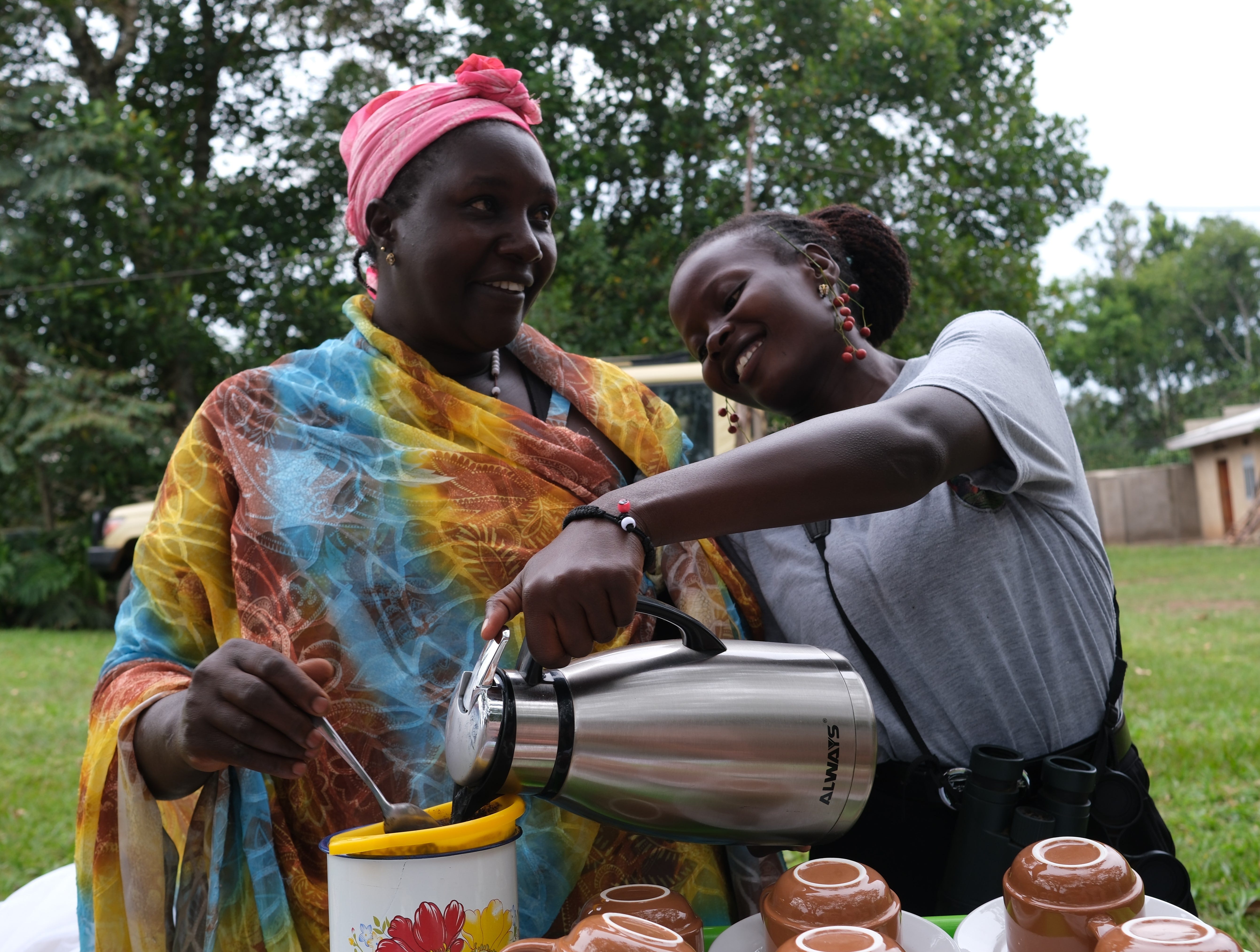
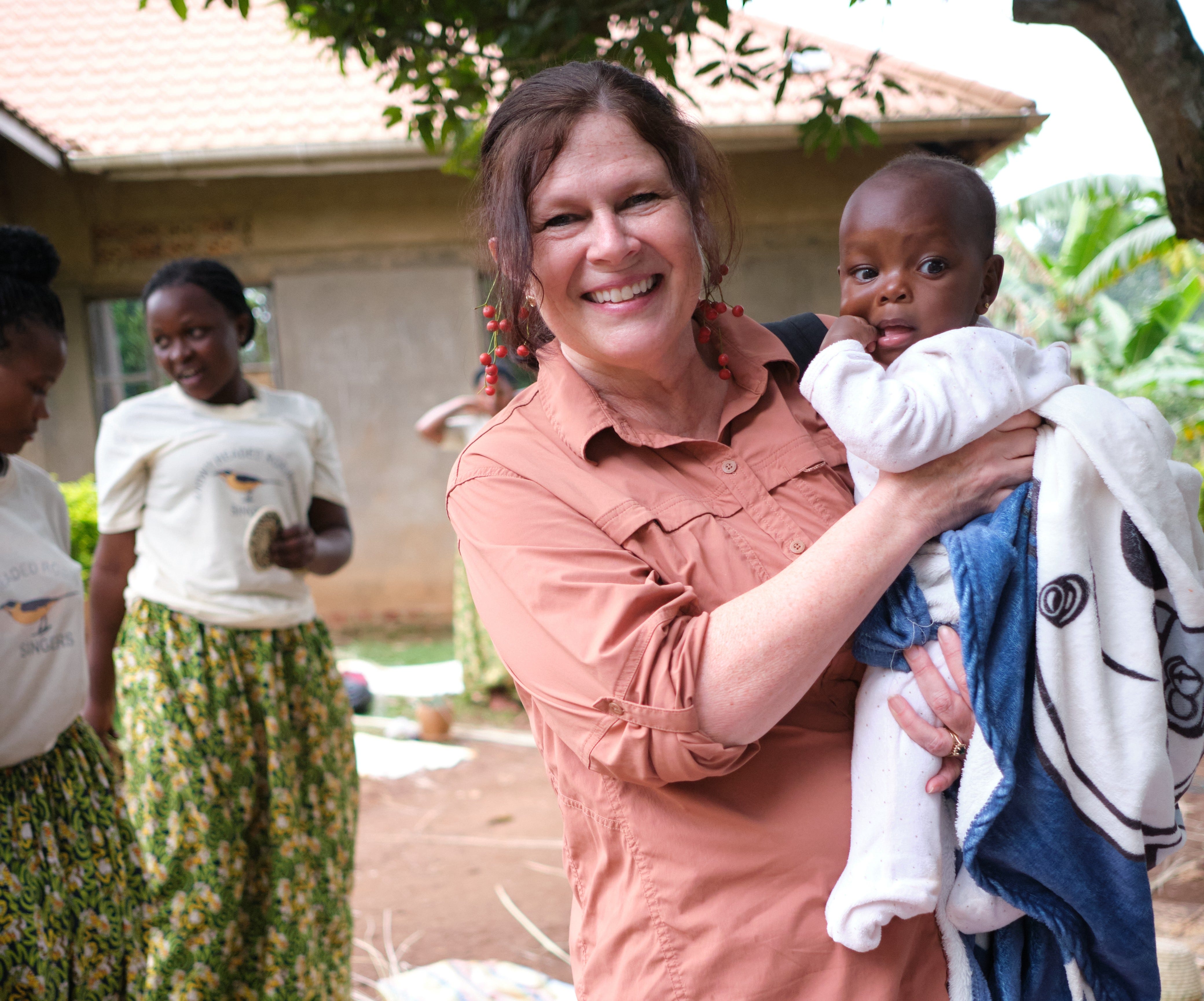
I shared some banana gin with tourists from Slovakia. They were not going to get to meet the banana man.
I shared the rest with poker buddies upon our return.
Now, alas, it’s all gone.
But our most impressionable encounter with humans was at a school one of our guides had helped to support.
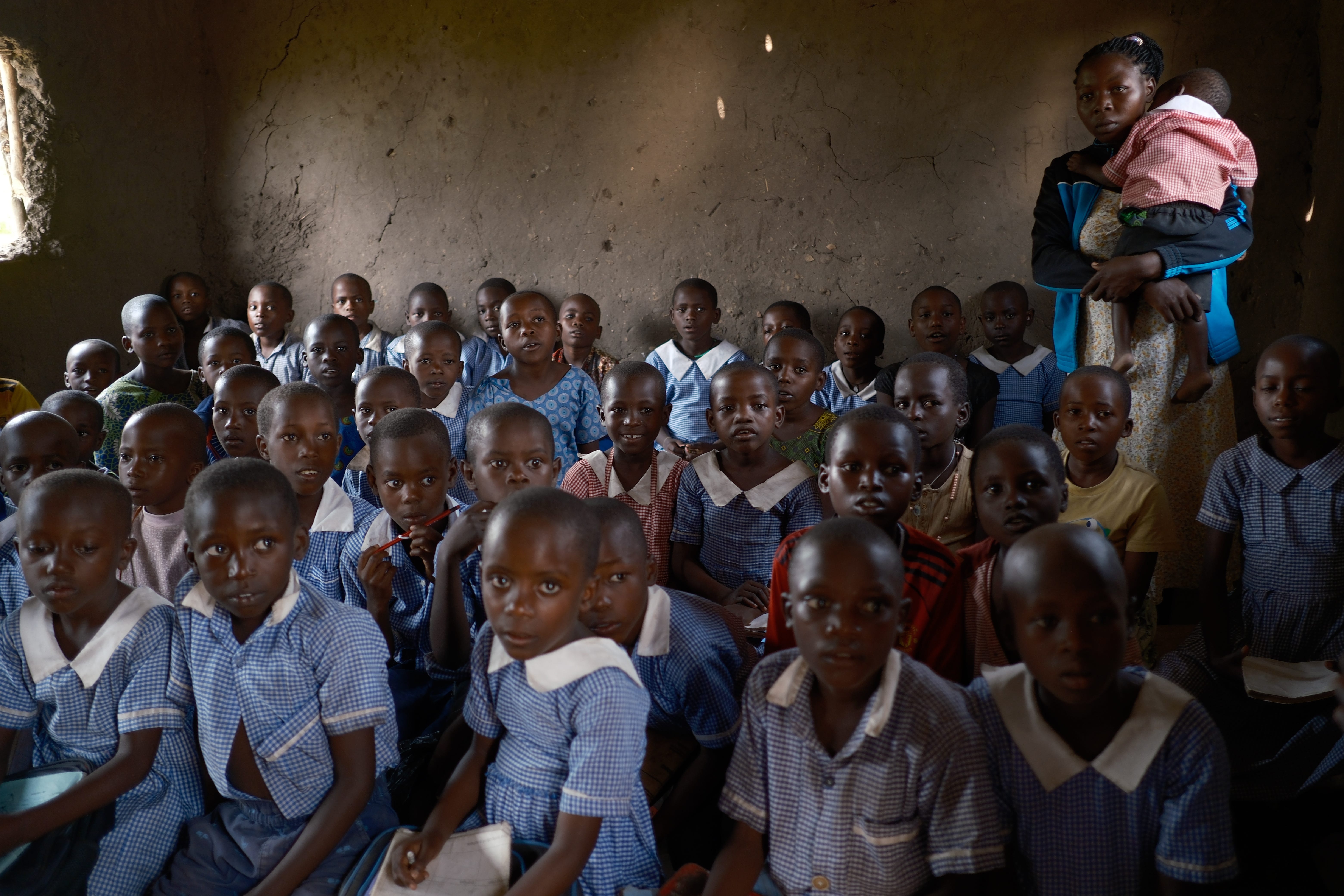
We expressed an interest in seeing the school, but we had no idea what was in store for us. There were about 350 students who were all outside when we arrived, to welcome us.
Driving through Uganda in one of the many Toyota land cruisers filled with muzungu (white people), you find that kids everywhere will wave at you yelling, “hello,” and even adults will brighten up and wave back if you wave at them first. But despite all of that, at this school, it was obvious that so many of these kids had never actually met a muzungu in person, and they were very excited to touch one.
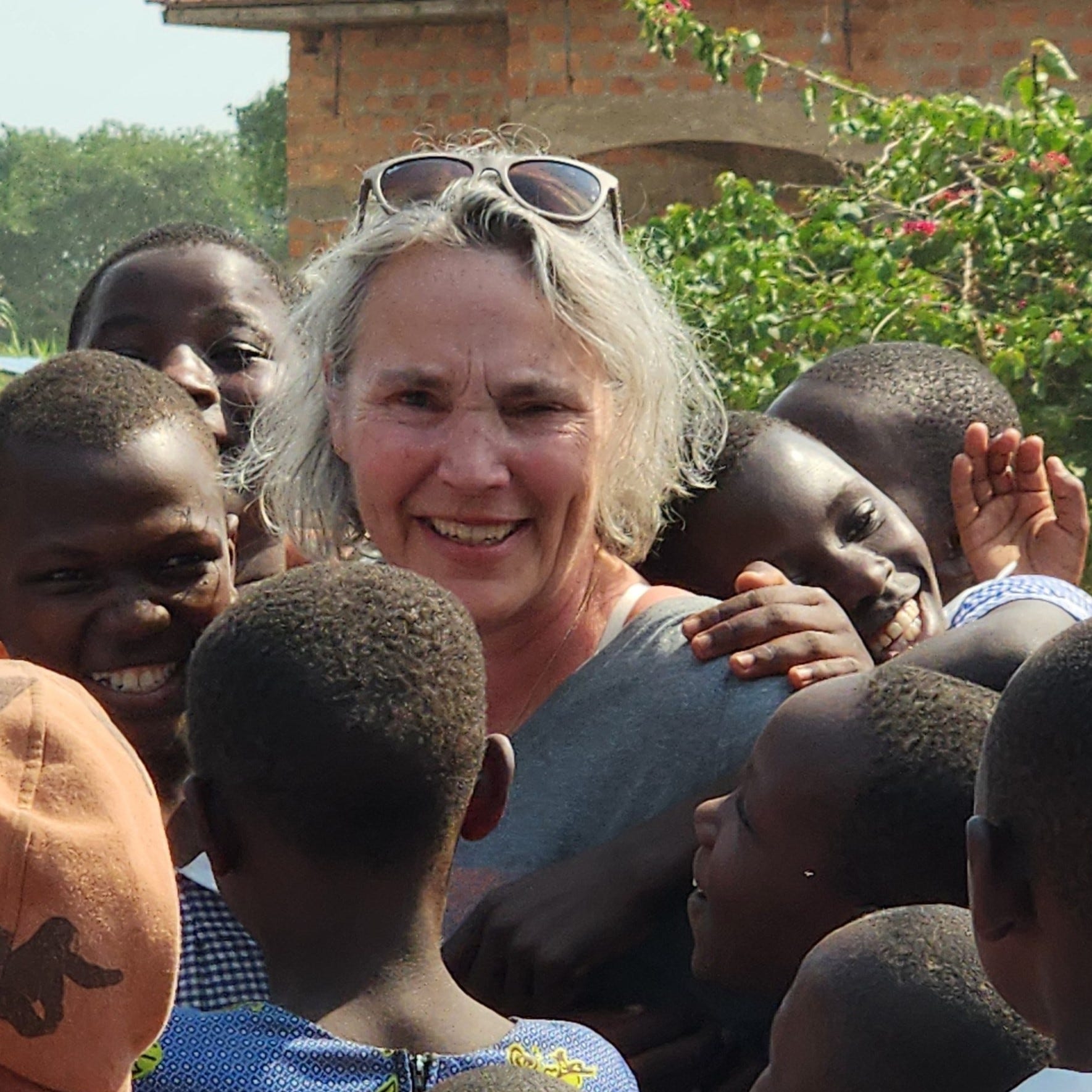
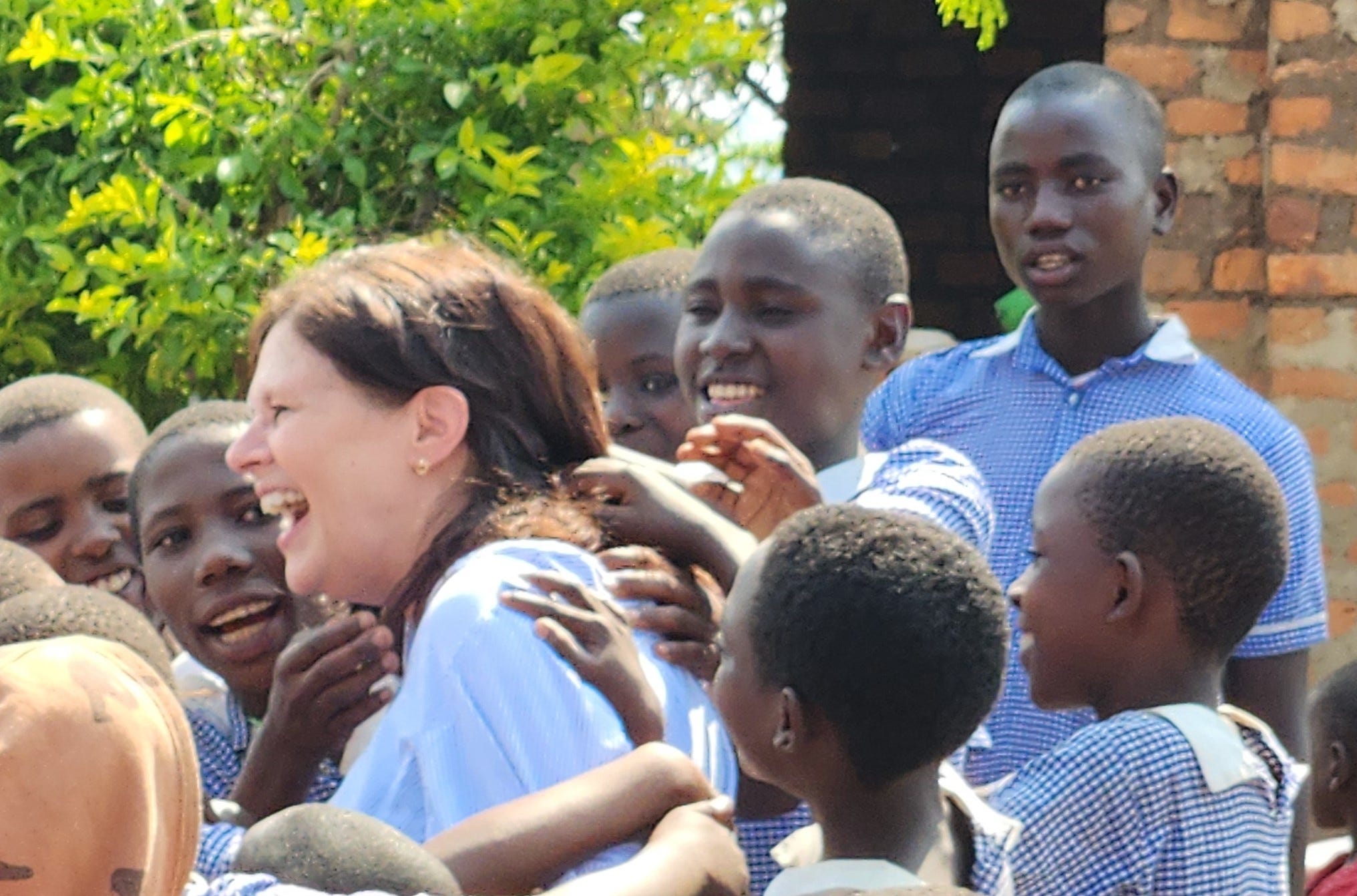
The story behind this school is an inspiring one. It started under a tree with a chalk board. That first class is graduating soon. Having demonstrated that they would do something with nothing, our tour operator chose to support them with a percentage of his profits. With that and other support, they now have a few buildings and a lot more students.
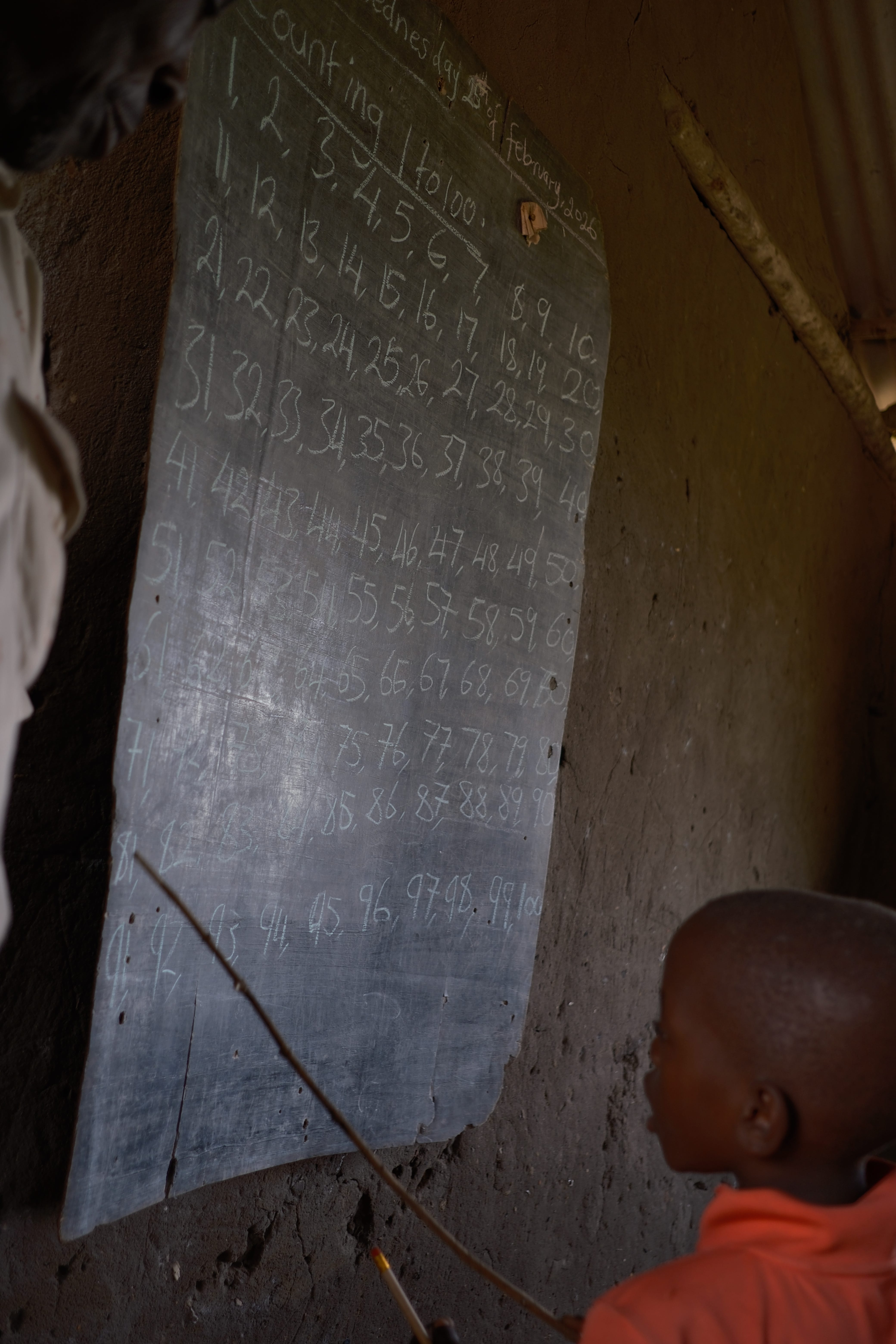
Parents and administrators made a presentation to us, and although no one told us to prepare, they asked us to say something, for which, believe it or not, I volunteered.
In that they credited us for making their school possible, it felt to me like we were getting credit for contributions, possibly, that other white people made, so, when I got up to speak, I made a point of giving them the credit they deserved. “You did this,” was the jist of my presentation.
I had some honest conversations with our tour guides about how we feel about the U.S. and how sorry we are about the cutting of USAID and the many ways in which the U.S., these days, has been a negative influence on the world.
One of our guides, Paul, suggested, graciously, that maybe I was “too close to the fire.” He pointed out that American movies inspire them in Africa, and he suggested that US culture, shared with them in this way, inspires Ugandans to reach for better things, to be better people and that their attitude towards the U.S. and especially US of Americans is overall positive.
It helped me to hear that.
It makes me feel better about humans, here and there.
On the way to what was supposed to be the hallmark of this trip, what the entire trip was originally built around, a gorilla trek, we met Batwa, or Pygmies as we might have called them growing up. They were indigenous forest dwellers who live now on the outskirts of a conserved area from which they were expelled.
They shared their land with mountain Gorillas for as much as a Millennia. If you’ve seen Gorillas in the Mist, the Dian Fossey story, you might be under the impression that they were complicit in both poaching and the killing of Dian Fossey.
However, research suggests that the movie may have used some biased sources. In fact, while their traps which were designed to capture smaller animals, might have, at times, unintentionally snared a Gorilla, the endangering of Gorillas, and what hurt the Batwa as well, was the destruction of forest habitats and poaching for both trophies and to populate zoos. And there’s no real evidence, and common sense suggests otherwise, that the Batwa were the ones hunting Gorillas. In fact, they called the Gorillas “sacamunto,” which means “just like me,” and they have a history of protecting them, and they tell a story about when they first became friends with the Gorillas. I wish I could remember it.
Unfortunately, it was thought that it would be easier to control poaching if humans were no longer allowed in without a permit. Perhaps the Batwa had to be blamed to justify their eviction.
So, they were kicked out of the forest in favor of conservation, and the mountain gorilla population has been coming back, aided in part by tourism. But the Batwa, out of their element, hadn’t fared as well.
According to our Batwa guide, knowing no other way to live outside of the forest, they resorted to begging, sometimes aggressively, and prostitution.
It was therefore devised that if the Batwa engaged with tourism, perhaps it could help them to find new ways to survive.
And that’s how we came to be guided through the village, learning about how they lived on the limited acreage of land where they were learning to grow crops. We met a gold miner who panned for very small amounts of gold dust in the river. He carefully unwrapped a paper with a small speck of gold to show us, which he was hoping to add to before it would be enough for trade.
And we were introduced to one particular family that sang and drummed and danced and demonstrated for us how they made fire.
The question has been posed to us whether it was exploitative to have them sing and dance for tips, but I think it’s worse to pretend they don’t exist. Is there anything worse than being invisible?
It seemed to me they were genuinely excited to share themselves with us. I would encourage tourists to connect in this way with locals.
It will help them, but it will also help to get you out of whatever bubble you’re in.
The Batwa’s school had a dormitory for kids who had been living on the street. They were taken in and given a bed, and thanks to donations that helped expand the dormitory, they sleep two to a bed where it used to be many more and they are working on a separate room for the older girls.
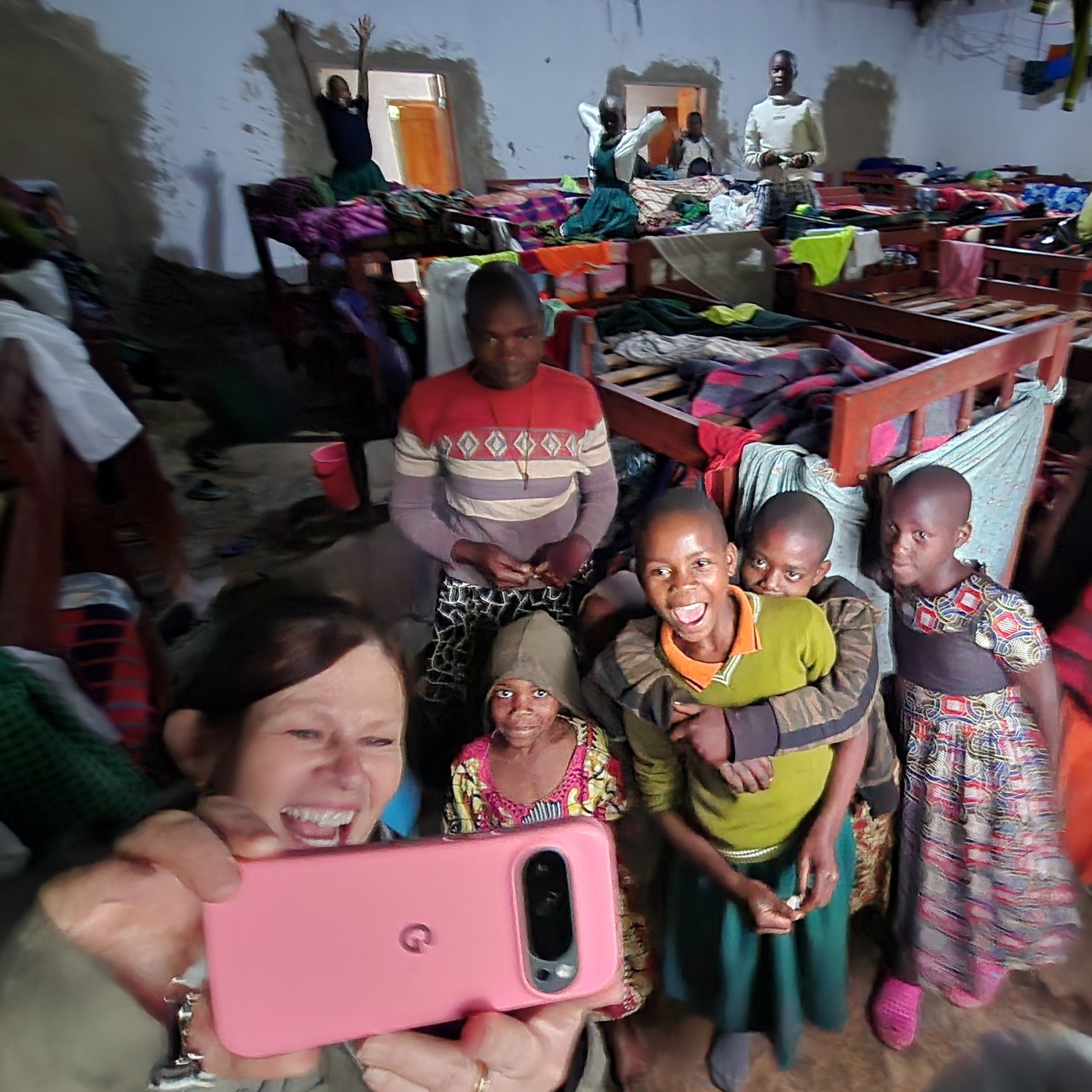
Many of these kids already knew some English. Immediately we were greeted: “what is your name?” and “what is your favorite animal?” I said, “humans,” to which I got a blank stare, so I said, “people,” which cleared up exactly nothing.
Moving onto professions, I said I was an accountant, which I was, past tense (retired). But I wish I had told them that I am a writer.
Of course I’d encourage them to study finance, sure. It’s practical. But I also desire to inspire them to tell their stories.
Because everyone has a story and it is, arguably, a divine call to share them.
Luise Gluck, the Nobel prize winning poet, said so in The Wild Iris. “Whatever returns from oblivion,” she said, “returns to find a voice.”
And how else would we learn more about my favorite animal?
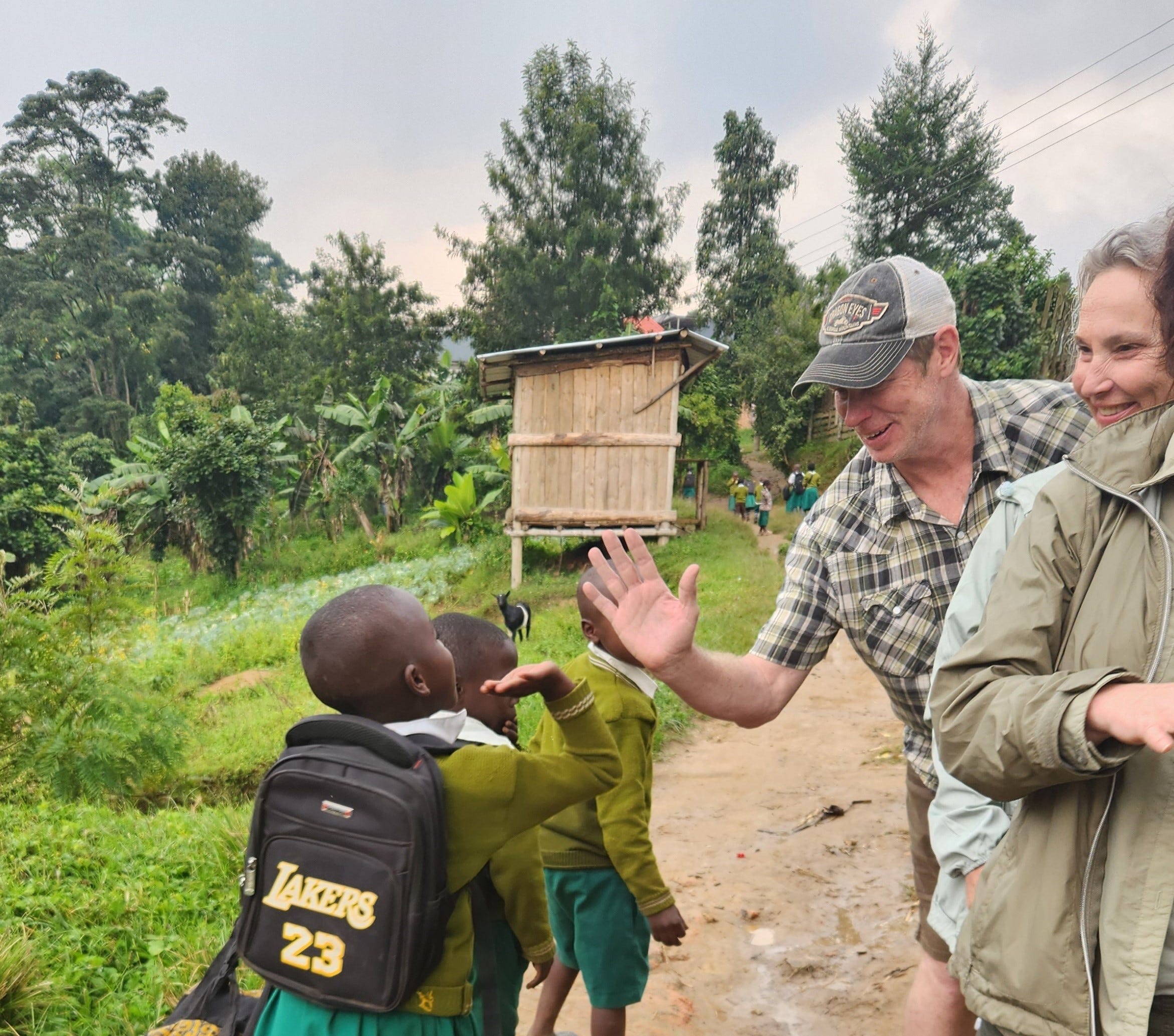
Overall, I am grateful to those I met, and the friendship they showed us. And I am glad that I had the opportunity to help by spending money in this economy. I hope to have the opportunity to continue to support where I can.
US of Americans are generous, I believe that. What holds us back sometimes is trust. How do we know where the money really goes?
It’s always easier to help people you know.
We have helped people we met in Ukraine after the war broke out. We have helped tour guides we kept in touch with after Covid hit and they were out of work. Theoretically if everyone just helped people they knew, the world would certainly be a better place, but there are always going to be people who just don’t have the connections. Who will help them?
This is why I don’t think it is offensive to allow the Batwa to share their culture with us, so that we can get to know each other, and in that way, they become part of our circle.
But there will always be those who are out of sight and out of mind, and for that, it helps to know someone with boots on the ground, who knows someone who knows someone who knows someone who knows about them.
The owner of the tour company we went with, Paul, is always on the lookout to help those who have already shown initiative to do something with whatever resources were available.
This is how he knows his contributions will be put to good use.
And we have told him that when he identifies such a need and opportunity, we would like to help.
This is now part of our circle, and you all may have your own circles.
But if anyone else wants in on that, you can let me know.
I’ll leave you with two more videos in case you can’t get enough
Running from an Elephant:
And one final dance party:
If you're interested in more info about the Batwa https://gorillaspecialist.org/batwa-guardians-of-the-gorilla-forest/